Best Food Tours in Korea: Beyond BBQ and Street Food 2026
Discover Korea's culinary depth with our 2026 guide to food tours beyond BBQ. Explore temple food, makgeolli brewing, and royal cuisine starting at $45.
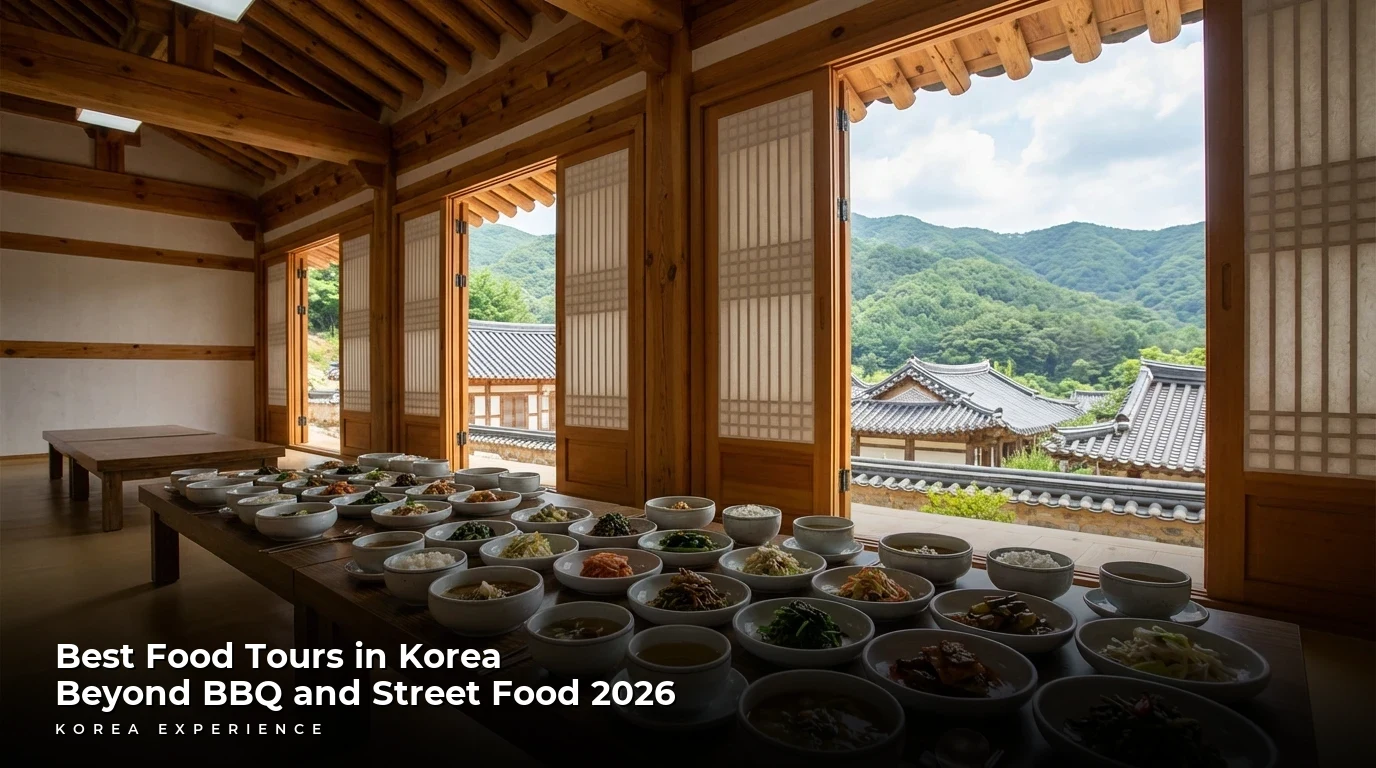
While Korean BBQ and spicy street food like tteokbokki have rightfully earned their place on the global culinary stage, they represent only a fraction of South Korea’s 5,000-year-old gastronomic history. For the discerning traveler in 2026, the true adventure begins when you step away from the grill and into the world of artisanal brewing, temple cuisine, and royal court dining. From the fermentation jars of rural distilleries to the silent, mindful meals of mountain temples, Korea offers immersive food tours that provide a deeper understanding of its culture.
The short answer: To experience Korean food beyond BBQ, book a Makgeolli brewing class in Hongdae (approx. ₩60,000), visit a Michelin-starred Temple Food restaurant like Balwoo Gongyang, or explore the Noryangjin Fish Market auction at 3:00 AM for fresh sashimi.
Key Takeaways
- 1Traditional Makgeolli brewing classes offer the deepest cultural immersion, taking 2-3 hours.
- 2Temple cuisine tours provide vegan-friendly options rooted in 1,700 years of Buddhist history.
- 3Royal Court Cuisine (Hanseongsik) meals can include over 20 side dishes and cost $50-$150.
- 4Seafood market tours in Noryangjin require bargaining skills; expect to pay ₩5,000 for table setting fees.
The Makgeolli Renaissance: Brewing and Tasting Tours
In 2026, the "Makgeolli Renaissance" is in full swing. Once considered a "farmer's drink," this milky, unfiltered rice wine has been elevated to a premium craft beverage. Taking a brewing class or a specialized tasting tour is one of the most hands-on ways to understand Korean fermentation culture.
Unlike clear soju, which is often mass-produced with ethanol, premium makgeolli relies on nuruk—a traditional fermentation starter made from wheat, rice, and water. A typical brewing class in Seoul lasts about 2.5 to 3 hours. You will physically mix steamed rice with nuruk and water, kneading the mixture for 20 to 30 minutes until it reaches a sticky consistency. Participants usually take home a 2-liter jar of their mixture, which ferments over the next 7 to 10 days at room temperature (20°C - 25°C).
Pro Tip
If you are taking a brewing class, bring an extra tote bag. The fermentation jar you take home will weigh approximately 2-3kg and can be cumbersome to carry on the subway during rush hour (5:30 PM - 7:30 PM).
Where to Experience It
The neighborhood of Hongdae and Gangnam are hubs for these artisanal experiences. Establishments like The Sool Company or specialized Makgeolli bars offer guided tastings where you sample 5-7 different varieties, ranging from 6% to 18% alcohol content.
Baekseju Village(백세주마을)
The cost for a guided tasting tour usually runs between ₩50,000 and ₩80,000 ($38-$60 USD), while full brewing workshops can cost upwards of ₩100,000 ($75 USD). It is a small price to pay for gaining insight into a tradition that dates back to the Goryeo Dynasty (918–1392).
Temple Cuisine: The Art of Subtraction
For travelers seeking a detox from the heavy, garlic-laden flavors of standard Korean fare, Temple Cuisine (Sachal Eumsik) is a revelation. Rooted in Buddhist philosophy, this cuisine prohibits the use of meat and the "five pungent spices" (osinchae): garlic, green onion, wild chives, Korean leek, and onions. The belief is that these ingredients distract the mind from meditation and stimulate anger or libido.
Despite these restrictions, the flavor profiles are incredibly complex, relying on years-aged soy sauce (ganjang), soybean paste (doenjang), and seasonal mountain herbs. In 2026, with the global rise of veganism, these tours have seen a 40% increase in bookings compared to previous years.
The Experience
A temple food tour isn't just about eating; it's about mindfulness. A typical meal involves a set menu of 10 to 15 courses. It often begins with a porridge (juk) to soothe the stomach, followed by fermented vegetables and tofu dishes. The pace is slow, often taking 1.5 to 2 hours for a lunch service.
When eating temple food, we are taught to think about where the food came from and the labor required to produce it. Leave no grain of rice behind in your bowl—this is the ultimate sign of respect.
Many travelers opt for a day trip to Jingwansa Temple in Bukhansan National Park, located just 40 minutes from central Seoul by bus (Line 701 or 7211). Here, you can participate in a tea ceremony and a monastic meal. For those staying in the city center, Balwoo Gongyang in Insadong remains the gold standard, holding a Michelin star for its dedication to authentic preparation methods.
💵 Temple Food Experience Costs
Full dinner course, Michelin-starred
Communal meal at a working temple
For those interested in the broader context of Korean history and how Buddhism influenced architecture and diet, you might want to explore our guide to historic K-drama sets and palaces, where many of these traditions are visually represented.
The Seafood Auctions: Noryangjin and Jagalchi
While street food stalls sell fish cakes, the true heart of Korea's seafood culture beats in its massive wholesale markets. This is a visceral, high-energy experience. The floors are wet, the merchants are loud, and the seafood is fresher than anywhere else in the country.
Noryangjin Fisheries Wholesale Market (Seoul)
Located near Yeouido, this market operates 24 hours, but the real action happens during the auctions from 1:00 AM to 4:00 AM. However, for a food tour, the best time to visit is around 10:30 AM or 5:00 PM. The modernized building stretches over 6 floors, but the retail market is on the 1st and 2nd floors.
You buy your fish alive from a tank on the first floor—a King Crab might cost ₩80,000 to ₩120,000 per kilogram depending on the season (prices fluctuate daily). You then take your purchase to a "restaurant zone" on the 2nd or 5th floor. Here, they charge a "table setting fee" (roughly ₩5,000 per person) and a cooking fee (approx. ₩10,000 per kg) to steam, grill, or slice your purchase.
📖 How to Order at a Fish Market
Step 1: Choose Your Seafood
Walk the 1st floor. Point to the fish or crab you want. Ask 'Eol-ma-e-yo?' (How much?).
Step 2: Negotiate (Softly)
You can ask for a small discount or 'service' (free shellfish), but don't push too hard.
Step 3: The Runner
A runner will guide you to an affiliated restaurant upstairs.
Step 4: Decide Preparation
Tell the restaurant: 'Sashimi' (raw), 'Maeuntang' (spicy soup), or 'Jjim' (steamed).
Jagalchi Market (Busan)
If you are heading south, the Busan seafood guide is essential reading. Jagalchi is Korea's largest seafood market and is run largely by "Jagalchi Ajumma"—middle-aged women famous for their toughness and knife skills. The vibe here is grittier and more chaotic than the modernized Noryangjin.
Market Showdown: Noryangjin vs. Jagalchi
| Feature | Noryangjin (Seoul) | Jagalchi (Busan) |
|---|---|---|
| Atmosphere | Modern, Clean, Indoor | Traditional, Gritty, Indoor/Outdoor |
| Specialty | King Crab, Flatfish | Eel, Mackerel, Octopus |
| Tourist Ease | High (Clear signage) | Medium (More dialect spoken) |
| Access | Line 1/9 Noryangjin Stn | Line 1 Jagalchi Stn |
Hanjeongsik: The Royal Court Experience
To understand the dining habits of the Joseon Dynasty kings, you must experience Hanjeongsik. This is a full-course Korean meal characterized by an array of small side dishes (banchan) accompanying rice, soup, and main meat or fish dishes.
Historically, a King's meal consisted of 12 dishes (12-cheop bansang), excluding rice, soup, and stews. Today, modern Hanjeongsik restaurants in neighborhoods like Bukchon Hanok Village or Insadong serve modified versions that can include anywhere from 20 to 30 different plates covering the entire table.
The visual impact is stunning. Dishes are color-coordinated based on the five cardinal colors (red, green, yellow, white, black), representing the balance of nature. Key dishes often include Gujeolpan (platter of nine delicacies) and Sinseollo (royal hot pot).
Cost and Logistics
This is not a quick meal. Plan for at least 90 minutes. Prices vary wildly based on the ingredients used (e.g., Hanwoo beef vs. imported beef).
- Budget: ₩25,000 - ₩35,000 per person (Lunch specials).
- Standard: ₩50,000 - ₩80,000 per person.
- Premium: ₩120,000+ per person.
📊 Hanjeongsik Stats
DIY Cooking Classes: Beyond Kimchi
While Kimchi making is the classic tourist activity, 2026 has seen a surge in more specialized cooking classes. Travelers are now learning to make Tteok (rice cakes), Ganjang-gejang (soy-marinated crab), and Jang (traditional sauces).
Classes are often held in local homes or specialized studios near traditional markets. A typical itinerary involves meeting the instructor at a market (like Mangwon Market or Gyeongdong Market) at 10:00 AM to shop for fresh ingredients. This market tour component is crucial—you learn how to pick the best Napa cabbage (heavy, with thin white ribs) or the freshest radish.
After shopping, you head to the kitchen. Classes usually cost between $70 and $120 USD, covering ingredients, instruction, and a shared meal afterward.
For dessert lovers, learning to make traditional sweets is a rising trend. Check out our insights on Korean desserts beyond bingsu to see what kind of treats you might learn to craft, such as delicate Dasik (tea cookies).
Regional Flavors: The Jeonju and Busan Connection
Seoul is a melting pot, but for specific regional delicacies, you must travel. Korea's high-speed KTX network makes this easy.
Jeonju: The Food Capital
Jeonju, a UNESCO City of Gastronomy, is famous for its Bibimbap. Unlike the Seoul version, Jeonju Bibimbap uses rice cooked in beef broth and is topped with roughly 30 ingredients, including hwangpo-muk (yellow mung bean jelly).
- Distance: 1 hour 40 minutes from Seoul (KTX).
- Ticket Price: Approx. ₩34,000 one way.
24 Hours in Jeonju: Foodie Edition
The Dualism Concept: Experience the best of both worlds — premium luxury moments paired with authentic budget-friendly experiences in one route.
Gajok Hoegwan
The gold standard for Bibimbap
Nambu Market
Street food & Sundae soup
Start with the luxury bibimbap for lunch, then graze through the market for dinner.
Busan: The Spicy South
We've mentioned the seafood, but Busan is also famous for Dwaeji Gukbap (pork rice soup). It’s a hearty, milky broth made from pork bones, served with sliced pork and chives. It’s cheap (approx. ₩9,000), filling, and represents the soul of the city. For a deeper dive into how regional tastes differ, read our guide on Korean regional flavors: Jeolla-do vs Gyeongsang-do.
The Tea Ceremony (Darye)
While coffee shops dominate the streets—you can read about the best coffee shops in Seoul—traditional tea culture offers a serene counterpoint. Darye, meaning "etiquette for tea," is a ceremonial preparation of green tea (nokcha).
Top spots for this are located in Insadong and the winding streets of Bukchon. A proper tea experience involves learning how to cool the water to the perfect temperature (usually 60°C - 70°C for green tea) to avoid bitterness. You will be taught how to hold the cup (two hands) and how to savor the flavor in three sips: one for the color, one for the scent, and one for the taste.
- Average Cost: ₩15,000 - ₩30,000 per person.
- Duration: 1 hour.
Practical Tips for Food Tours in 2026
To maximize your culinary exploration, you need the right tools. The digital landscape in Korea is unique. Google Maps is often less effective than local alternatives.
Booking Platforms: For English speakers, apps like CatchTable Global have revolutionized restaurant bookings. You no longer need a Korean phone number to reserve hot spots. For a full comparison of the necessary tech, see our review of TableCheck vs CatchTable.
Dietary Restrictions: Navigating allergies in Korea can be challenging. "No meat" often implies no chunks of meat, but broth or spam might still be included.
- Action: Print an allergy card in Korean.
- Apps: Use 'HappyCow' for vegan options, but verify opening hours on Naver Maps.
Solo Dining (Hon-bap): While BBQ places often require two orders minimum, markets and noodle shops are very solo-friendly. High-end dining spots are increasingly offering counter seating to accommodate solo travelers.
Guided Tours vs. Self-Guided Adventures
- ✓Access to local-only spots with no English menu
- ✓Deep historical context provided by guides
- ✓Transportation often included for difficult locations
- ✗More expensive (often 2-3x cost of food)
- ✗Fixed schedule limits spontaneity
- ✗Group dynamics can vary
Frequently Asked Questions
❓ Food Tour FAQ
Have more questions?Contact us →
Exploring Korea through its food offers a window into its soul. Whether you are kneading dough for makgeolli, bowing in a temple dining hall, or haggling over a crab at dawn, these experiences provide memories far richer than any souvenir. So, put down the tongs, step away from the BBQ grill, and take a bite out of the real Korea.
About the Author
Korea Experience Team
Written by the Korea Experience editorial team - experts in Korean medical tourism, travel, and culture with years of research and firsthand experience.
Explore more in Travel & Tourism
From Seoul's neon-lit streets to Jeju's volcanic landscapes — discover the best of Korea with insider travel tips, itineraries, and seasonal guides.
Browse All Travel & Tourism ArticlesContinue Reading
Explore more articles you might find interesting
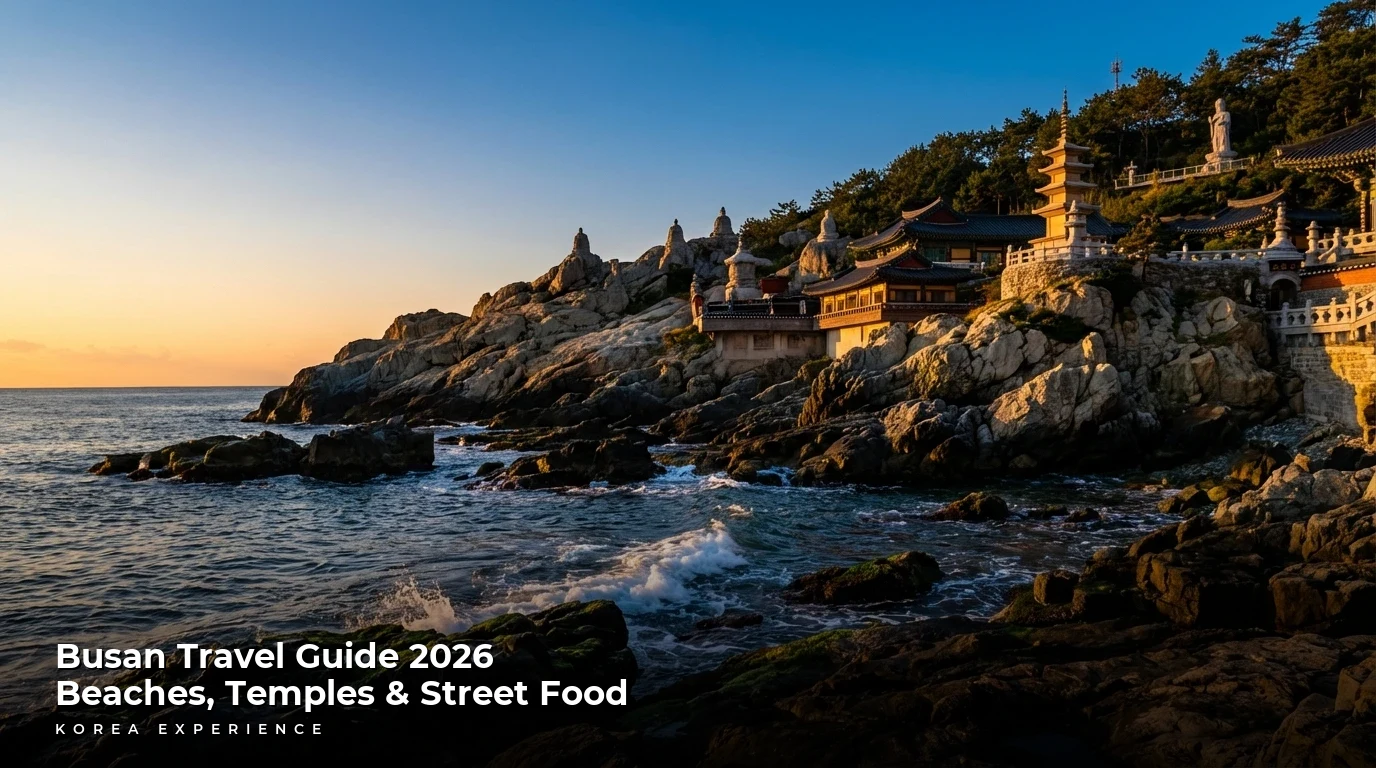
Discover the best of Busan in 2026. From Haeundae Beach to Haedong Yonggungsa Temple, explore top spots, costs, and itineraries for your trip.
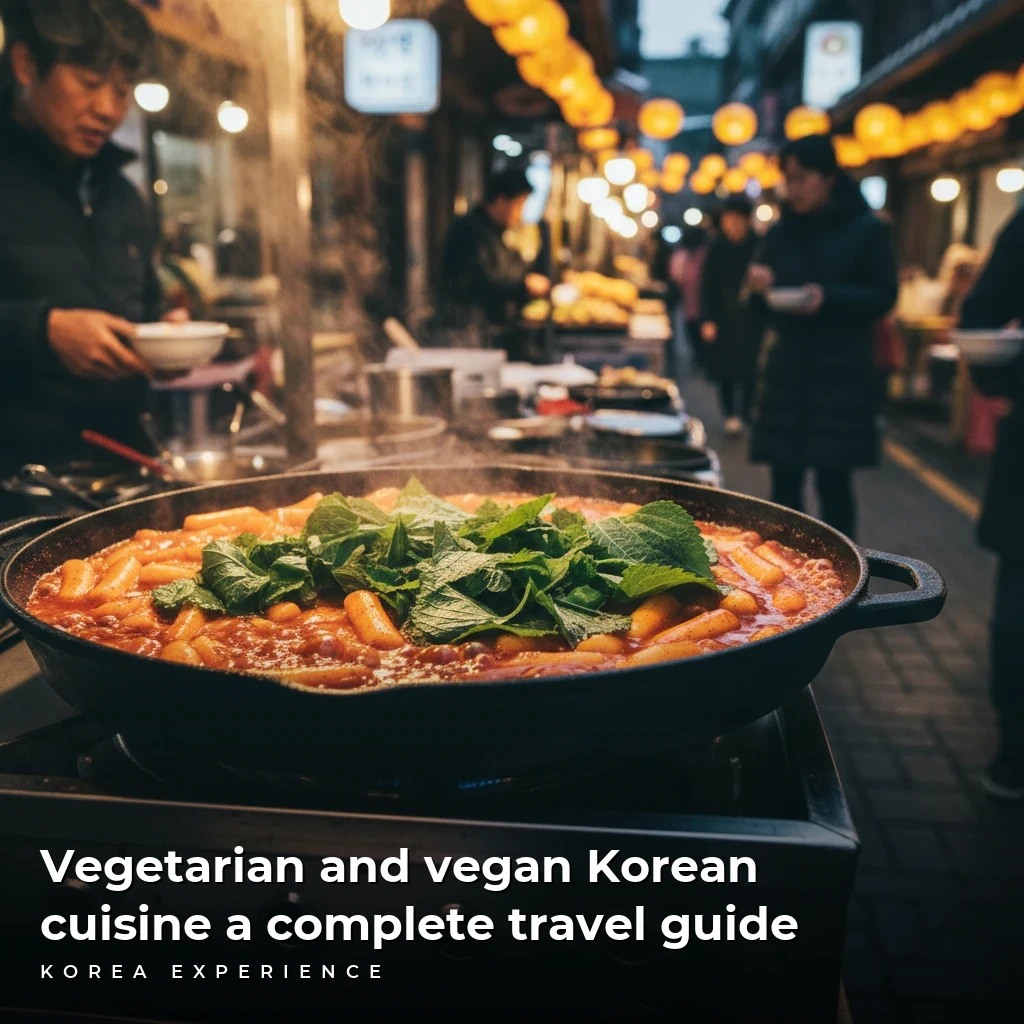
Discover the best vegetarian and vegan Korean cuisine options. From Michelin-starred temple food to spicy street snacks, navigate dining in Korea easily.
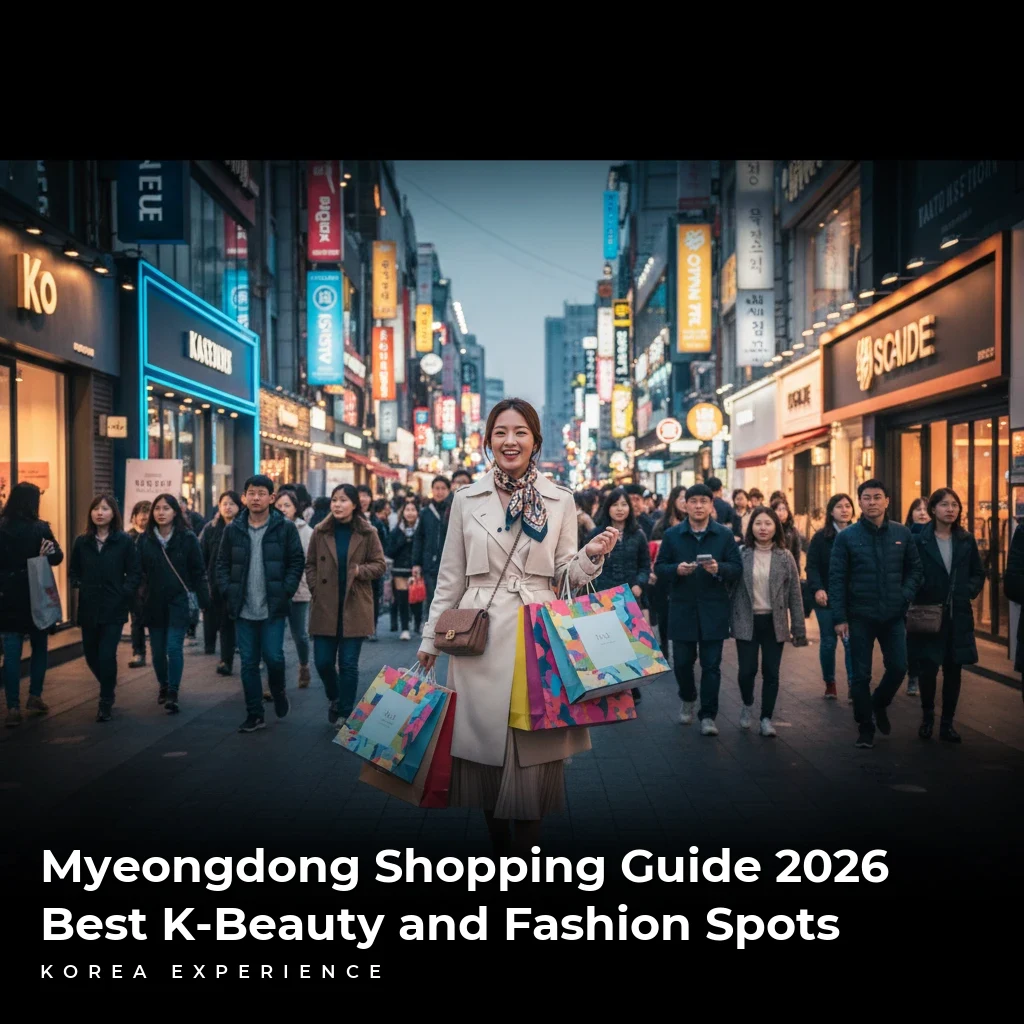
Explore the best of Myeongdong in 2026. Discover top K-beauty flagship stores, trendy fashion boutiques, and street food prices starting at ₩4,000.
Discover the ultimate checklist of 50 essential Korean dishes, from street food to royal cuisine, including prices, spicy levels, and best spots for 2026.
Discover Korea's best markets beyond Seoul. Explore Busan, Jeju, and Daegu with specific food prices, transport tips, and 2026 travel data.
Discover the serenity of Korean temple food. A complete guide to vegetarian Buddhist cuisine, Michelin-starred restaurants, and etiquette.