Hidden Islands Near Incheon For A Peaceful Day Trip 2026
Escape Seoul's crowds to Incheon's hidden islands. Discover Deokjeokdo, Seonjaedo, and more with ferry schedules, ₩50,000 budgets, and travel tips.
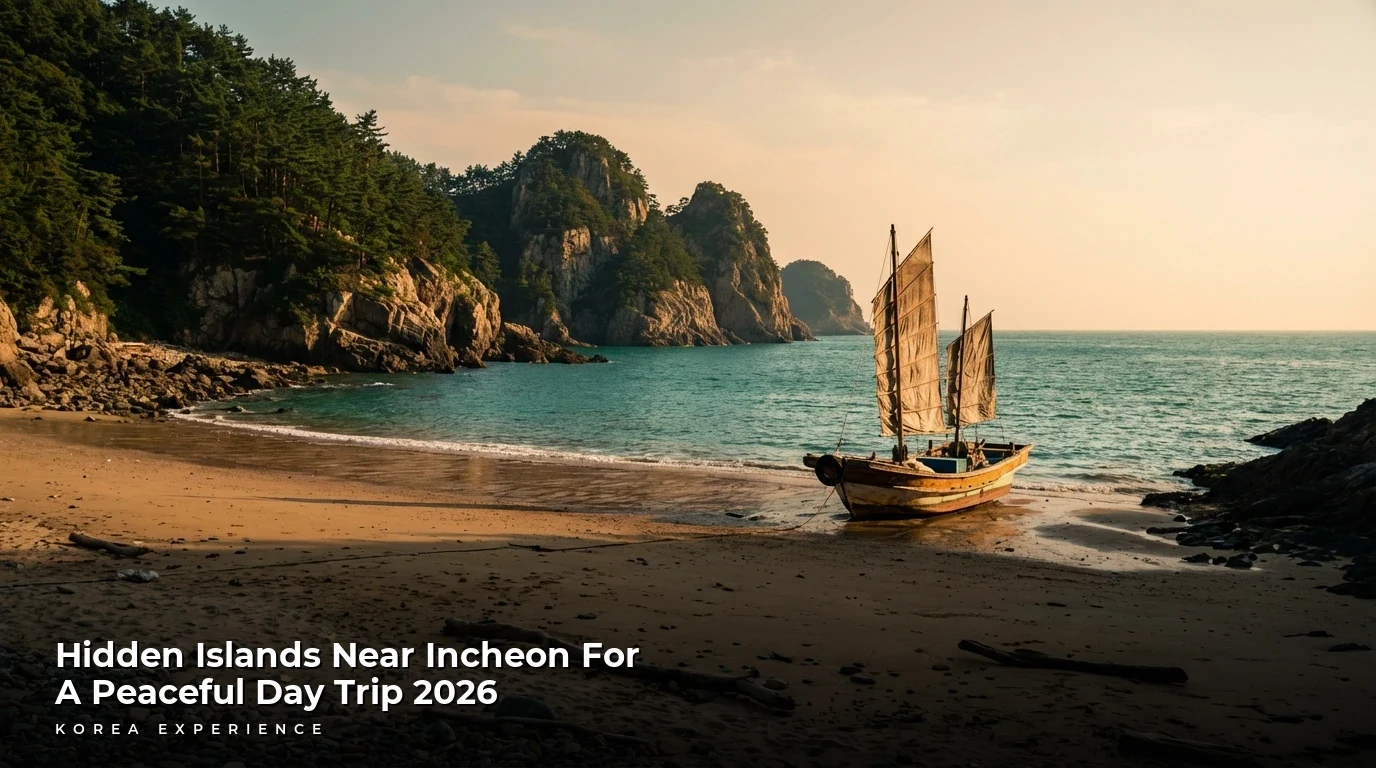
For travelers seeking silence away from Seoul's 9.7 million residents, the hidden islands off the coast of Incheon offer a sanctuary of pine forests, tidal flats, and uncrowded beaches. While most tourists flock to Gangneung or Busan for coastal vibes, the Ongjin-gun county islands remain largely untapped by international visitors. The best hidden islands near Incheon for a peaceful day trip in 2026 are Deokjeokdo for hiking enthusiasts, Seonjaedo for its photogenic "Moses Miracle" sandbar, Seungbongdo for rock formations, and Muuido for accessibility via bridge. These destinations are reachable within 60 to 90 minutes from the mainland, offering a distinct slower pace of life.
The short answer: Deokjeokdo and Seonjaedo offer the best balance of accessibility and tranquility, reachable within 90 minutes from Incheon, with average daily costs around ₩70,000 per person including transport and meals.
Key Takeaways
- 1Deokjeokdo is the top choice for hiking with 292m peak views
- 2Seonjaedo requires checking tide tables for the land bridge crossing
- 3Foreigners must bring a Passport or ARC to board any domestic ferry
- 4Muuido is the only major island accessible by car without a ferry
- 5Budget approx ₩23,000 for round-trip ferry tickets per person
Why Choose Incheon's Islands Over Other Coastal Cities?
While the East Coast (Sokcho, Gangneung) is famous for its deep blue waters and surf culture, getting there requires a 2.5 to 4-hour KTX or bus ride from Seoul. In contrast, the islands of Incheon are geographically unique. Located in the Yellow Sea (West Sea), they are characterized by dramatic tidal variances—up to 9 meters difference between high and low tide.
This "West Sea" charm creates a dynamic landscape. At low tide, vast mudflats (getbol) are revealed, allowing for clam digging experiences that are impossible on the East Coast. Furthermore, the travel time is significantly shorter. From Incheon International Airport or Seoul Station, you can reach the ferry terminals in under an hour, making a day trip entirely feasible without the exhaustion of long-haul travel.
📊 Incheon Island Statistics
1. Seonjaedo: The Island of the "Moses Miracle"
Seonjaedo (선재도) has gained massive popularity on Instagram in recent years, yet it remains surprisingly peaceful on weekdays. It was once named one of Korea's most beautiful islands by CNN Travel, and for good reason. The island is connected to the mainland via Daebudo, meaning you can technically drive there, but it feels worlds apart from the city.
The Land Bridge Experience (Mokdo)
The primary draw is Mokdo, a tiny uninhabited islet accessible only at low tide. twice a day, the sea parts to reveal a 500-meter sandy path connecting Seonjaedo to Mokdo. This phenomenon, often called the "Moses Miracle," allows you to walk through the ocean floor.
Important Data Point: You must check the tide times (Muldae) on the "Badatime" website or app before visiting. The path is usually accessible for 2-3 hours around low tide. If you miss the window, the path disappears under 2 meters of water.
Where to Relax: Mud Coffee (Ppeol Dabang)
No guide to Seonjaedo is complete without mentioning Ppeol Dabang (Mud Coffee). This cafe has transformed a section of the coast into a "Little Bali," complete with surfboards, wooden swings, and tropical landscaping.
Ppeol Dabang (Mud Coffee)(뻘다방)
Transport Alert
Seonjaedo is connected by bridge, so traffic can be heavy on weekends. If driving from Seoul, leave before 8:00 AM. If taking public transport, the 790 bus from Oido Station takes approximately 50 minutes.
For those looking for more travel ideas nearby, check out our guide on best day trips from Seoul for other accessible options.
2. Deokjeokdo: The Hiker's Sanctuary
Deokjeokdo (덕적도) is the largest island in this guide and arguably the most rewarding for nature lovers. Located about 1 hour and 10 minutes by fast ferry from Incheon Port, it feels remote and rugged.
Hiking Bijopong Peak
The crown jewel of Deokjeokdo is Bijopong Peak. Standing at 292 meters, it is not an exhaustingly high mountain, but the payoff is spectacular. A 1.5-hour round-trip hike takes you through dense pine forests to a pavilion at the summit. From here, you get a 360-degree panoramic view of the mesmerizing archipelago dotted across the Yellow Sea.
Seopori Beach
On the other side of the island lies Seopori Beach, a 2-kilometer stretch of fine sand backed by a 200-year-old pine forest. It is wide, clean, and often empty outside of the peak summer weeks (late July to mid-August).
📋 Deokjeokdo Logistics
Getting There
You must take a ferry from the Incheon Port Coastal Passenger Terminal (Yeonan Budu). There are two types of boats:
- Korea Express (Fast Boat): Takes 1 hour 10 minutes. Passengers only.
- Car Ferry: Takes 2 hours 30 minutes. Allows vehicles.
📖 How to Book and Board the Ferry to Deokjeokdo
Step 1: Check Schedule
Visit the 'Island Tour' website (island.haewoon.co.kr). Schedules change monthly based on tides.
Step 2: Book Tickets
You can book online or buy at the terminal. Weekend tickets sell out fast; booking 3-5 days ahead is recommended.
Step 3: Arrival at Terminal
Arrive at Yeonan Budu 40 minutes before departure.
Step 4: Boarding
Present your physical Passport or ARC and your ticket. No ID, no boarding.
3. Muuido: The Accessible Adventure
Muuido (무의도) was once a ferry-only destination, but the opening of the Muui Bridge in 2019 changed everything. Now accessible by bus or car from Incheon International Airport, it offers island vibes without the maritime logistics.
Hanagae Beach and the Marine Walkway
The highlight of Muuido is the marine walkway built along the cliffs of Hanagae Beach. This wooden boardwalk extends over the ocean (at high tide) and snakes around dramatic rock formations. It is flat, easy to walk, and offers incredible sunset views. The walkway is approximately 800 meters long and takes about 20-30 minutes one way.
Somuuido (Small Muui Island)
Connected to the main Muuido by a pedestrian-only bridge, Somuuido is a tiny island that can be circumnavigated on foot in about 45 minutes. The "Muui Bada Nuri-gil" trail offers quaint fishing village scenery and peaceful ocean vistas.
Muuido: Bridge vs. Ferry Islands
- ✓No ferry schedule to worry about
- ✓ accessible via public bus from Incheon Airport
- ✓Great hiking trails (Horyonggoksan)
- ✗Can get crowded on weekends due to easy access
- ✗Parking at Hanagae Beach is limited (₩3,000 fee)
- ✗Less 'remote' feeling than Deokjeokdo
For visitors arriving in spring or autumn, the weather is perfect for the Hanagae Beach Marine Walkway. To plan your timing, consult our guide on the best time to visit Korea.
4. Seungbongdo: The Cinematic Escape
Seungbongdo (승봉도) is often called the "Movie Island" because its unique topography has served as a backdrop for several Korean dramas and films. It is smaller than Deokjeokdo and exudes a more rustic charm.
The Elephant Rock (Namdaemun Rock)
The coastline is dotted with strange rock formations sculpted by waves and wind. The most famous is Namdaemun Rock, which looks like an archway or an elephant's trunk dipping into the water.
Iilre Beach
Unlike the mud-heavy beaches common on the West Coast, Iilre Beach features surprisingly fine sand. The water depth is shallow, making it safe for wading. At low tide, you can walk endlessly toward the horizon.
"Seungbongdo is best explored by bicycle. Unlike Deokjeokdo which is hilly, the coastal road here is relatively flat. You can rent bikes near the ferry terminal for about ₩5,000 per hour. It takes less than 2 hours to cycle the entire island loop."
5. Jawol-do: The Purple Moon Island
Jawol-do (자월도) gets its poetic name ("Purple Moon") from the legend that the moon appears to turn purple as it sets over the island. Located between Incheon and Deokjeokdo, it is often overlooked, making it a true hidden gem for 2026.
Tidal Flat Experiences (Clam Digging)
Jawol-do is one of the best spots for Gyeokpo (tidal flat) experiences. For a fee of roughly ₩10,000, local fishing villages provide boots, a basket, and a hoe. You can dig for Manila clams (Bajirak). It is muddy, messy work, but incredibly satisfying. Most pensions (guesthouses) on the island will help you cook your catch or make a noodle soup with it.
💵 Cost of a Day Trip: Luxury vs. Budget (2026)
Taxi to terminal, Fast Ferry, Sashimi Lunch, Private Pension day-use
Subway/Bus, Ferry, Kalguksu Lunch, Public Beach
Strategic Planning: How to Execute the Trip
Traveling to islands requires more logistical precision than visiting a city district like Gangnam. The ferries run on strict schedules, and weather (fog) can lead to cancellations.
Navigation and Connectivity
While these islands are close to Seoul, they can feel remote. Navigation apps like KakaoMap or Naver Map are essential. Google Maps does not work well for walking directions in these rural areas. Ensure you have a reliable connection; check our recommendations for best Korea SIM cards to ensure you aren't left stranded without a map.
The Fog Warning
The West Sea is prone to heavy fog, particularly in May and June. If visibility drops below a certain threshold, the Incheon Port Authority will suspend ferry services.
- Pro Tip: Check the status on the day of travel. If ferries are cancelled, have a backup plan (like visiting Muuido via bridge or exploring Incheon Chinatown).
Optimized 1-Day Itinerary for Deokjeokdo
Depart Seoul
Take Subway Line 1 to Dongincheon Station, then a taxi/bus to Yeonan Budu.
Ferry Departure
Board the Korea Express ferry. Grab a coffee at the terminal.
Arrival & Bus
Arrive at Deokjeokdo. Take the distinct Blue Public Bus to Seopori Beach.
Hike Bijopong
Start the hike from the trail entrance behind the village.
Seafood Lunch
Eat Clam Noodle Soup (Bajirak Kalguksu) near the beach.
Beach Relaxation
Walk along Seopori Beach or visit the pine forest.
Return to Port
Take the bus back to the ferry terminal (Jinri-hang).
Ferry to Incheon
Depart Deokjeokdo. Sleep on the boat.
What to Eat: West Sea Delicacies
The food scene on these islands is hyper-local and seasonal. Do not expect fine dining or extensive English menus. The cuisine focuses on what is caught that morning.
Bajirak Kalguksu (Clam Noodle Soup)
This is the soul food of the West Coast. A huge bowl of handmade knife-cut noodles served in a clear, briny broth packed with fresh clams.
- Cost: ₩10,000 - ₩12,000 per bowl.
- Side dish: Always served with spicy geotjeori (fresh kimchi).
Grilled Shellfish (Jogae-gui)
If you travel in a group, ordering a platter of grilled shellfish is a must. It usually includes scallops, clams, and sometimes abalone, grilled right at your table over briquettes.
- Cost: ₩50,000 - ₩80,000 for a medium set (serves 2-3).
If you are a seafood enthusiast, you might find the styles here different from the southern ports. Compare the flavors with our Busan seafood guide to understand regional differences.
Detailed Transportation Guide to Terminals
Getting to the starting point is often the hardest part for foreigners.
1. Incheon Port Coastal Passenger Terminal (Yeonan Budu)
- Destinations: Deokjeokdo, Jawol-do, Seungbongdo.
- Access: From Dongincheon Station (Line 1), take Bus 12 or 24 to the terminal (approx. 20-30 mins).
- Taxi: From Incheon Int'l Airport, a taxi costs about ₩35,000 (40 mins).
2. Banga Mori Wharf (Daebudo)
- Destinations: Alternative route to Jawol-do/Seungbongdo (shorter ferry ride, but harder to reach the wharf).
- Access: Best if you have a rental car.
Ferry vs. Bridge Access Comparison
| Feature | Deokjeokdo (Ferry) | Muuido (Bridge) | Seonjaedo (Bridge) |
|---|---|---|---|
| Travel Cost (Transport) | ₩50,000+ | ₩15,000 | ₩15,000 |
| Crowd Level | Low | High | Medium |
| Weather Dependent | Yes (Fog/Wind) | No | No |
| English Support | Low | Medium | Medium |
Best Time to Visit
Spring (April - June): Ideal for hiking. The islands are covered in wildflowers. The temperature is cool (15°C - 20°C). Fog is a risk.
Summer (July - August): The only time for swimming. Beaches get crowded with Korean families. Ferries sell out weeks in advance. Humidity is high.
Autumn (September - November): The "Golden Season." The sky is clear, the air is crisp, and the blue crabs (kkotge) are in season and full of meat. This is the photographer's favorite season.
Winter (December - March): Desolate and cold. Only for those seeking extreme solitude. Ferries run less frequently.
Accommodation: Should You Stay Overnight?
While this is a "Day Trip" guide, missing the last ferry is a real possibility. Accommodation on these islands consists mostly of Pensions (Korean-style guesthouses).
- Facilities: Most provide Ondol (floor heating) rooms rather than western beds.
- Booking: Booking.com and Airbnb rarely list these. You usually need to call or use Korean apps like Yanolja.
- Cost: Weekdays ₩60,000 - ₩100,000; Weekends ₩120,000+.
Frequently Asked Questions
❓ Common Questions About Incheon Island Travel
Have more questions?Contact us →
Conclusion: Finding Peace in the West Sea
The islands near Incheon offer a raw, unpolished beauty that contrasts sharply with the neon lights of Seoul. Whether you are walking the "Moses Miracle" path at Seonjaedo or standing atop Bijopong Peak in Deokjeokdo, the sense of isolation is profound and refreshing.
For 2026 travelers, these islands represent the perfect "Micro-adventure"—a way to see a different side of Korea without the time commitment of a cross-country trip. Just remember: check the tide tables, bring your passport, and don't miss the last boat back.
Ready to explore more? Check out our guide to best neighborhoods for expats in Seoul if you're looking for a base from which to launch these island adventures.
About the Author
Korea Experience Team
Written by the Korea Experience editorial team - experts in Korean medical tourism, travel, and culture with years of research and firsthand experience.
Explore more in Travel & Tourism
From Seoul's neon-lit streets to Jeju's volcanic landscapes — discover the best of Korea with insider travel tips, itineraries, and seasonal guides.
Browse All Travel & Tourism ArticlesContinue Reading
Explore more articles you might find interesting
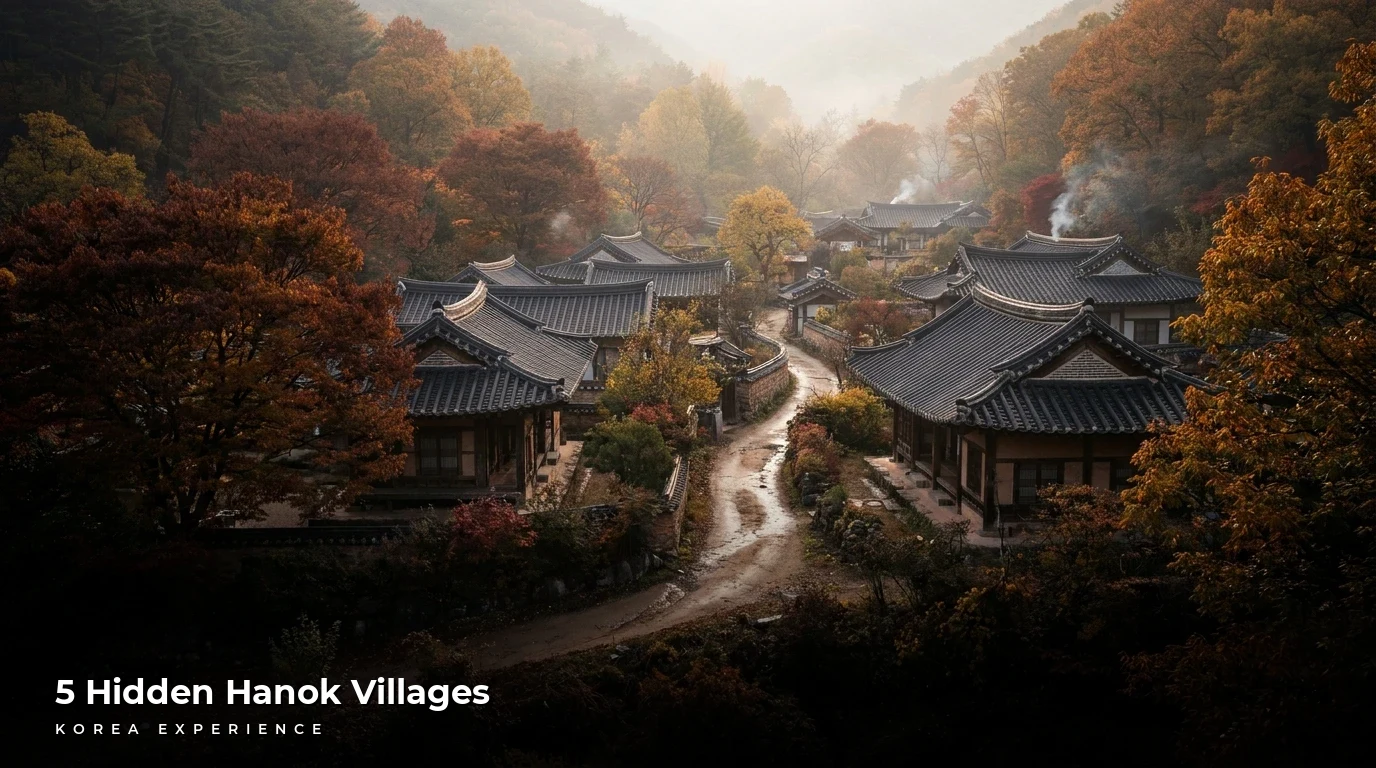
Escape the crowds with our 2026 guide to 5 secret hanok villages. Discover 6000m of historic walls and authentic stays starting at just ₩50,000 per night.

Discover Korea's best markets beyond Seoul. Explore Busan, Jeju, and Daegu with specific food prices, transport tips, and 2026 travel data.

Discover the top luxury glamping sites near Seoul for 2026. Prices from ₩150,000, private jacuzzis, and travel times under 2 hours.
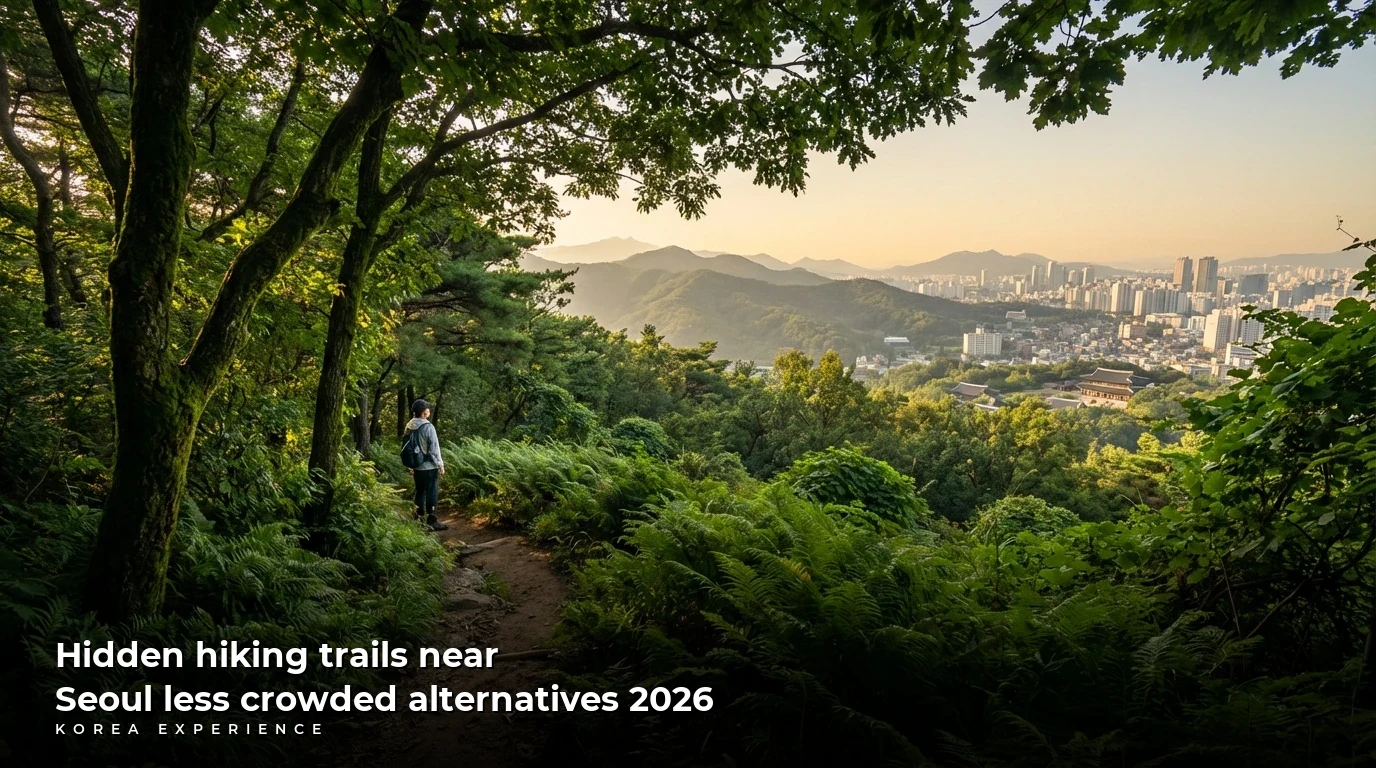
Escape the crowds with these 7 hidden hiking trails near Seoul. Includes Ansan, Achasan, and Buramsan guides with transit details, difficulty, and trail times.
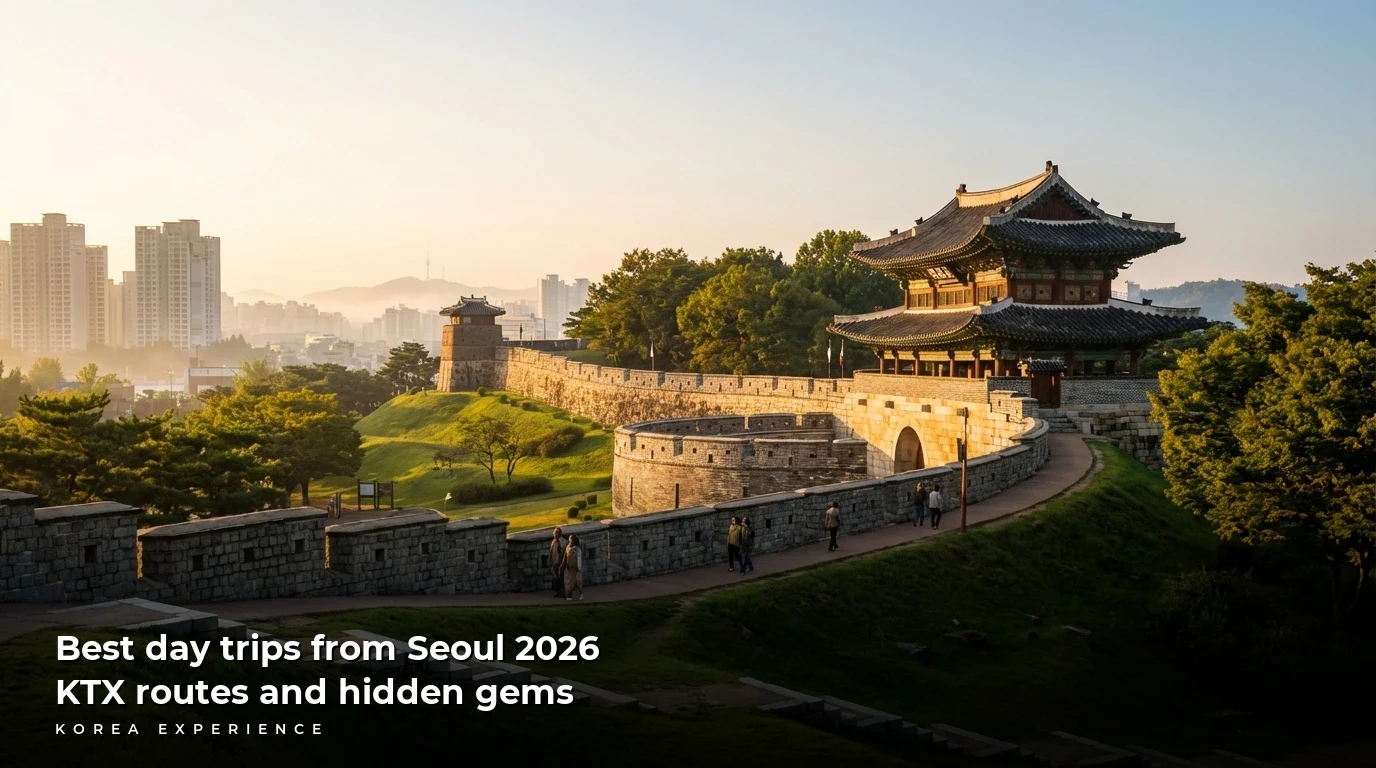
Discover the top day trips from Seoul for 2026. Includes KTX schedules, costs under ₩50,000, and travel times for Suwon, Nami Island, and the DMZ.
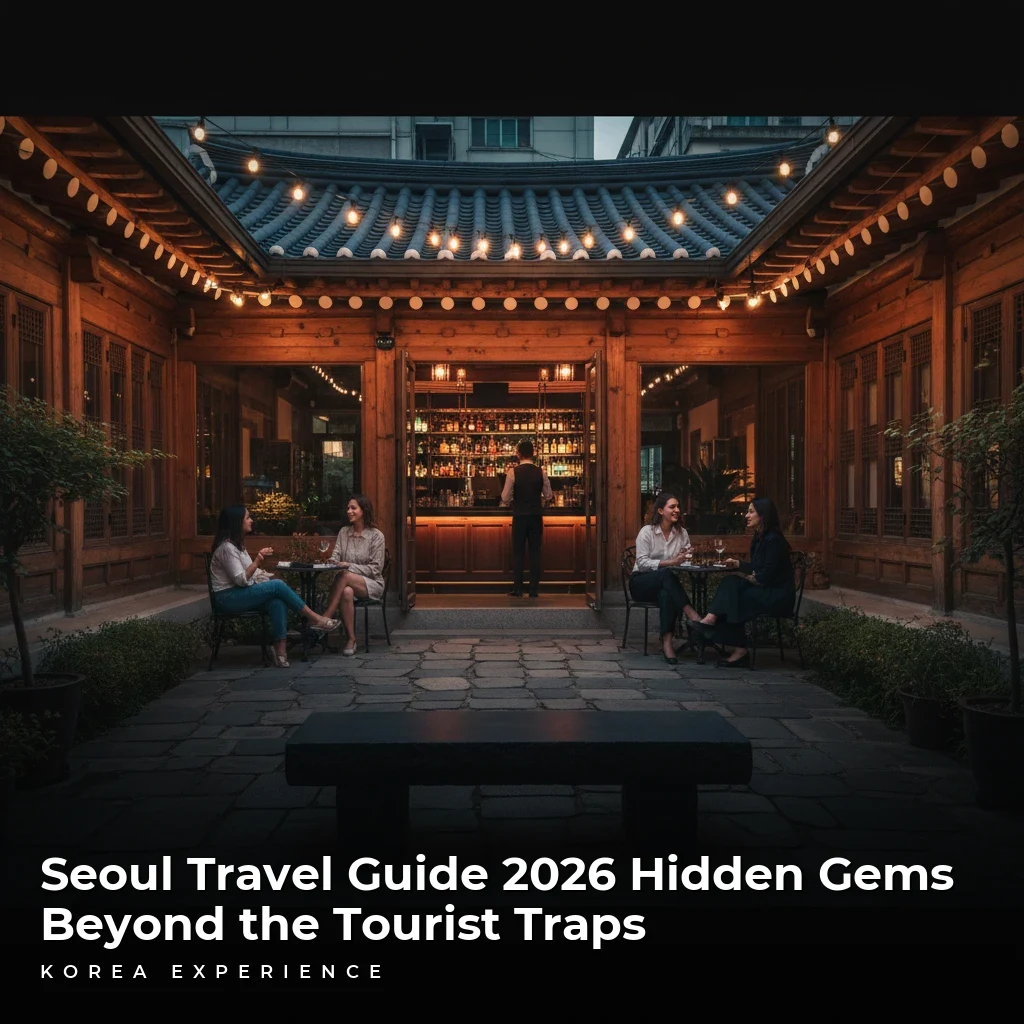
Discover Seoul's best kept secrets for 2026. From Sindang-dong cocktail bars to Mullae art alleys, explore the city like a local. Prices and maps included.