Holistic wellness retreats combining medical care with zen experiences
Discover Korea's top 2026 hybrid retreats blending state-of-the-art medical checkups with temple stays and forest healing for under $2,000/week.
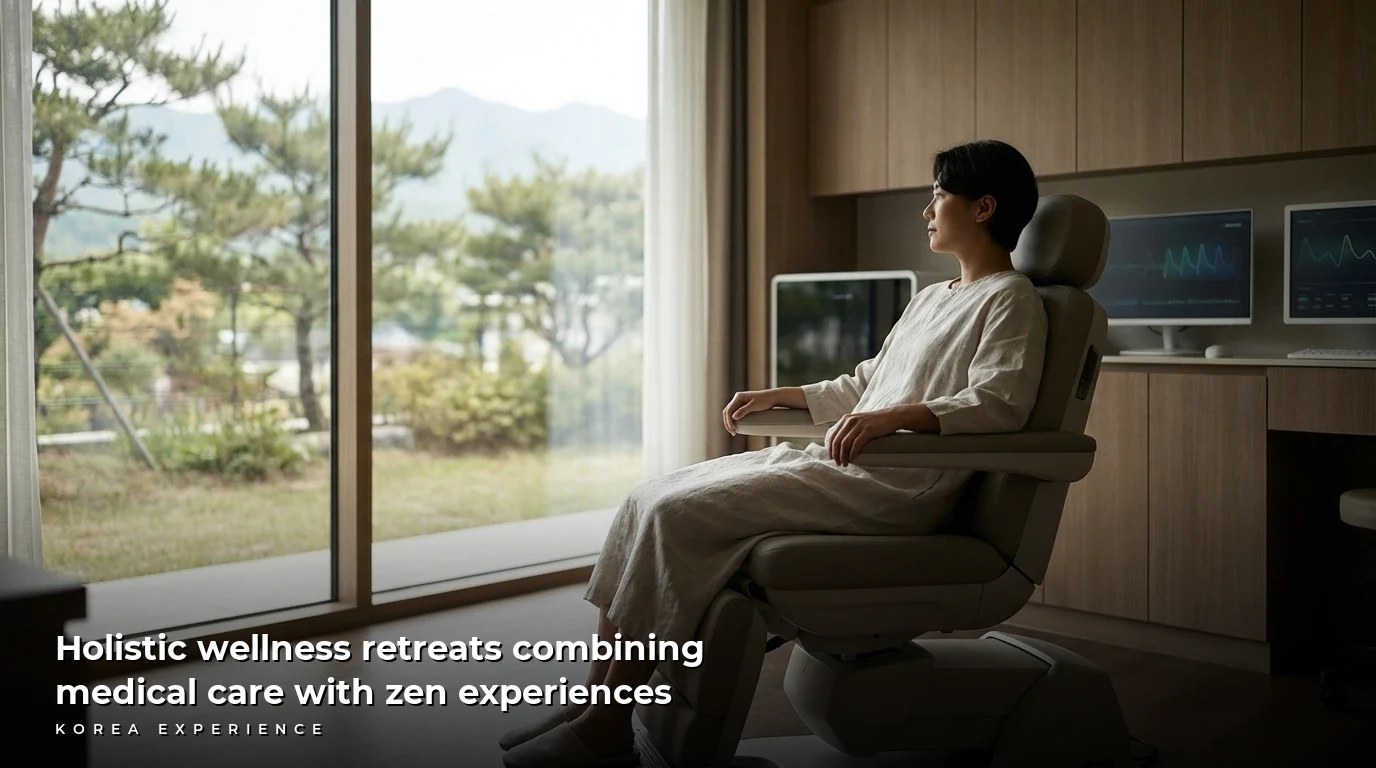
In 2026, the boundaries between clinical medical tourism and spiritual wellness have completely dissolved in South Korea. Travelers are no longer choosing between a high-tech full-body checkup in Gangnam and a meditative temple stay in the mountains; they are demanding both in a single, seamless itinerary. This new wave of "Medical Zen" tourism offers a hyper-efficient way to heal the body with cutting-edge science while soothing the mind with centuries-old Eastern philosophy. Whether you are looking for dermatological rejuvenation paired with forest bathing or a comprehensive cancer screening followed by a digital detox, Korea has established itself as the global capital for this hybrid approach.
The short answer: The best holistic wellness retreats in 2026, such as WE Hotel Jeju and Healience Seonmanyl, combine university-level medical diagnostics with nature-based therapies, costing between $1,500 and $4,000 for a comprehensive 5-day program.
Key Takeaways
- 1Hybrid retreats save 30-40% compared to booking medical and wellness services separately in Western countries
- 2Most programs in 2026 include AI-driven health screenings followed by personalized tea ceremonies or meditation
- 3Top locations are concentrated in Seogwipo (Jeju), Hongcheon (Gangwon-do), and Bukhansan (Seoul)
The Rise of "Medical Zen" in 2026
The concept of Suseong (cultivating longevity) has evolved. In 2026, visitors to Korea are spending an average of 7.2 days on medical wellness trips, up from 5.5 days in 2023. The driving force is the integration of "Hard Health" (MRIs, genetic testing, dermatology) with "Soft Health" (meditation, dietary therapy, thermal healing).
The efficiency is staggering. You can complete a comprehensive health screening—which involves blood work, ultrasound, and endoscopy—in under 4 hours at a major center like Asan Medical Center or Samsung Medical Center. By the afternoon, you can be transported to a hanok resort just 40 minutes away to begin a gut-health restoration program based on your morning's test results.
Medical Disclaimer
The content in this article is for informational purposes only and does not constitute medical advice. Always consult with a qualified healthcare provider before beginning any new treatment or wellness program. In case of emergency in Korea, dial 119. For medical consultations in English, dial 1339.
Top Hybrid Retreats in Seoul: Urban Sanctuaries
For those who cannot stray far from the city, Seoul offers high-density wellness. The trend in 2026 is "vertical retreat" centers—skyscrapers in Gangnam or Mapo that house medical clinics on the lower floors and meditative spa hotels on the upper floors.
The Gangnam Detox Circuit
This route combines top-tier dermatology with urban temple experiences. A typical itinerary involves a morning laser treatment or non-invasive facelift, followed by a stay at a hotel connected to Bongeunsa Temple's lifestyle programs.
Chaum Life Center(차움 라이프 센터)
The cost for a 1-day "Beauty & Balance" program here averages ₩800,000 (approx. $600 USD), which includes a facial laser treatment, a constitutional food analysis, and a 90-minute stress-relief muscular therapy session. If you are interested in aesthetic procedures, you might want to read more about anti-aging treatments in Korea to understand the specific technologies used.
The Bukhansan Recovery Route
Located just 30 minutes north of central Seoul, the Bukhansan National Park area has developed into a cluster for respiratory and mental health recovery.
📋 Bukhansan Wellness Stats
Here, centers like the Paraspara Seoul offer programs where you undergo stress hormone testing (cortisol levels) upon check-in. Based on the data, you are prescribed a specific hiking route and a "Sound Bath" meditation schedule. The proximity to nature allows for "Forest Healing" (Sanrimyok), proven to lower blood pressure by an average of 5-7% after a two-hour session.
Jeju Island: The Global Capital of Hydro-Healing
Jeju Island remains the crown jewel of holistic wellness. In 2026, the island's wellness infrastructure has matured to support long-term recovery for patients post-surgery or those suffering from chronic fatigue. The air travel time is short—just a 65-minute flight from Seoul Gimpo Airport—making it easily accessible.
WE Hotel Jeju: The Pioneer of Water Healing
WE Hotel is Korea's first "Medical Hotel," fusing a 5-star resort with a fully functioning hospital. It utilizes the island's volcanic bedrock water, which contains high levels of silica and vanadium.
📖 The WE Hotel Hydro-Program Journey
Step 1: Arrival & Screening
Check-in followed by a stress and vascular age test by on-site nurses.
Step 2: Haeam Hydro Therapy
Floating yoga and massage in a dome pool filled with volcanic water at 34°C.
Step 3: Forest Therapy
Guided walk in the hotel's private 210,000 sqm Gotjawal forest.
Prices for the "WE Healing Package" start at roughly ₩450,000 ($340 USD) per night for two people, including breakfast and one major therapy session. The seamless transition from a hospital gown to a swimsuit is what makes this destination unique.
"Many of my patients come to Jeju after plastic surgery in Seoul. The high oxygen levels in the Seogwipo forests actually accelerate wound healing by approximately 15% compared to recovering in a city apartment. It is not just a placebo; it is physiology."
Gangwon-do: Hardcore Digital Detox & Integrative Medicine
If Seoul is about efficiency and Jeju is about water, Gangwon-do province (about 1.5 to 2 hours east of Seoul) is about silence and earth. This region hosts the most intense "intentional inconvenience" retreats.
Healience Seonmanyl (Zen Village)
This resort is famous for what it lacks: No TV, no refrigerators in rooms, no air conditioning (architectural cooling is used), and often, spotty cell service by design.
- Location: Hongcheon, Gangwon-do.
- Medical Component: Integrative medicine consultations focusing on lifestyle correction.
- Zen Component: Meditation, trekking, and nutritional education.
- Cost: Approx. ₩350,000 ($265 USD) per night/person (all-inclusive).
The food here is strictly controlled—low sodium, no deep-frying. For travelers recovering from gastrointestinal surgeries or metabolic disorders, this is a paradise. The distance from Incheon Airport is about 150 minutes by car, and shuttle buses run twice daily from Jamsil Station in Seoul (₩30,000 one way).
If you are planning to visit this region, consider exploring other attractions nearby. Our guide to best day trips from Seoul covers transport logistics that are helpful for reaching Gangwon-do.
Traditional Korean Medicine (Hanbang) Meets Modern Tech
In 2026, Hanbang is no longer just acupuncture; it is data-driven. The "K-Medi" sector now uses pulse analyzers that digitize traditional diagnostic methods.
The Sasang Constitution Retreats
Located primarily in Daegu and Sancheong (the hometown of Dongui Bogam), these retreats determine your body type (Sasang) and prescribe a strict regimen.
Western Checkup vs. Hanbang Wellness Checkup
| Feature | Western Medical Checkup | Hanbang (TCM) Wellness |
|---|---|---|
| Primary Method | Blood/Imaging (MRI/CT) | Pulse/Tongue/Constitution |
| Focus | Detecting Disease | Balancing Energy (Qi) |
| Treatment | Medication/Surgery | Acupuncture/Herbal Tea |
| Avg. Cost | $400 - $1,500 | $150 - $500 |
In Sancheong's Dongui Bogam Village, you can experience the "Ki (Energy) Experience Zone." It sits on a location geologically renowned for high earth energy. Visitors typically spend ₩50,000 ($38 USD) for a thermal herbal moxibustion session. It is particularly popular for women experiencing menopause or travelers with chronic fatigue syndrome.
Cost Analysis: Budgeting for Your Wellness Trip
One of the main reasons travelers choose Korea over Switzerland or Japan for medical wellness is the price-to-quality ratio. Below is a breakdown of costs for a typical 5-day hybrid trip in 2026.
💵 5-Day Wellness Budget (Per Person)
VIP Checkup + 5-Star Wellness Resort + Private Driver
Basic Screening + Temple Stay + Public Transit
Note that the "Luxury" option often includes a private interpreter, which costs around ₩250,000 ($190 USD) per day if hired separately. However, most major medical centers now have fluent English-speaking International Healthcare Centers included in the package price.
📊 Cost Savings vs. USA
Food as Medicine: The Yakseon Diet
A critical component of these retreats is Yakseon (medicinal food). Unlike general healthy eating, Yakseon dishes are prepared using herbs specifically chosen to complement medical treatments.
For example, after a skin laser treatment, a wellness resort might serve a soup rich in collagen and Job's Tears (adlay millet) to reduce inflammation. If you are interested in how diet plays a role in recovery, check out our article on best Korean healing foods for surgery recovery.
Dietary Restrictions
Most high-end wellness resorts in Korea (like WE Hotel and Healience) can accommodate vegan, gluten-free, and Halal diets if notified 48 hours in advance. However, strict strict veganism is still challenging in rural Hanbang clinics due to the use of fish sauce in kimchi.
How to Book and Prepare
Booking these hybrid experiences requires a bit more coordination than a standard hotel stay.
- Visa: Most tourists can enter on the K-ETA (Standard Tourist entry). However, if your treatment involves sedation or a recovery period longer than 90 days, you may need a G-1 (Medical Treatment) visa.
- Timing: The best seasons for forest healing are Spring (May-June) and Autumn (September-October). Avoid July (monsoon season) if your retreat involves outdoor meditation.
- Insurance: Standard travel insurance covers accidents, but not elective medical procedures or checkups. Ensure you have specific medical travel coverage if you want financial protection for complications.
Pros and Cons of Hybrid Wellness Trips
- ✓Extremely time-efficient use of travel days
- ✓Access to world-class medical technology at lower costs
- ✓Holistic approach addresses root causes of stress
- ✗Language barrier in rural wellness centers
- ✗Strict schedules can feel less like a vacation
- ✗Some herbal treatments have strong scents/tastes
Extending Your Stay
If you are committing to a wellness trip, you will likely be in Korea for at least a week. Choosing the right base of operations is crucial. If you prefer to stay in the city and commute to wellness centers, read our guide on best neighborhoods for expats in Seoul to find a quiet area (like Buam-dong or Hannam-dong) that supports your relaxation goals.
Furthermore, many travelers combine these retreats with lighter cultural activities that don't spike cortisol levels. Visiting historic Kdrama sets can be a low-stress way to enjoy the culture without the hustle of Myeongdong shopping.
Sample 3-Day 'Seoul Recharge' Itinerary
Arrival & Checkup
Comprehensive screening at Gangnam Severance Hospital.
Transfer to Retreat
Private car to Bukhansan luxury resort.
Detox Program
Morning yoga, thermal spa, and vegan dining.
Consultation
Review medical results via video call with doctor.
Frequently Asked Questions
❓ Common Questions About Medical Wellness Retreats
Have more questions?Contact us →
The convergence of clinical excellence and Zen mindfulness creates a travel experience that is uniquely Korean. By 2026, the question is no longer whether you want to heal your body or your mind—but rather, how seamlessly you can do both. Whether you choose the volcanic waters of Jeju or the silent mountains of Gangwon-do, you will return home not just with souvenirs, but with a renewed sense of physiological and mental clarity.
About the Author
Korea Experience Team
Written by the Korea Experience editorial team - experts in Korean medical tourism, travel, and culture with years of research and firsthand experience.
⚠️ Medical Disclaimer
The information provided on this website is for general informational purposes only and does not constitute medical advice. Always consult with qualified healthcare professionals before making any medical decisions.
Explore more in Medical Tourism
World-class medical procedures at competitive prices. From plastic surgery and dermatology to dental care and health checkups — your complete guide to medical tourism in Korea.
Browse All Medical Tourism ArticlesContinue Reading
Explore more articles you might find interesting
Essential guide to avoiding ghost doctors, broker scams, and unsafe clinics in Korea. Learn the 10 red flags before booking surgery. Data updated for 2026.
Discover 2026 prices and details for health check up packages in Korea. Full body screenings start at $380 with results in 3-5 days.
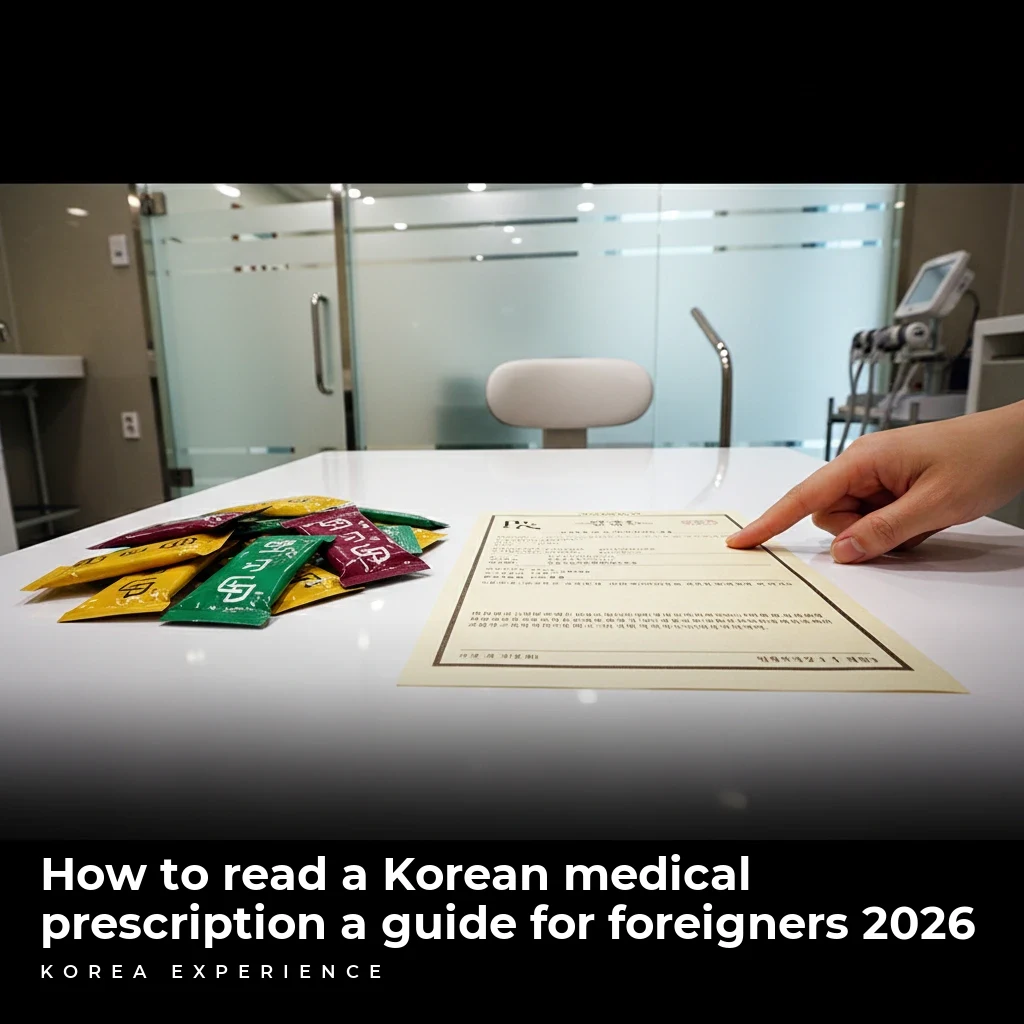
Decode your Korean medicine packets with our comprehensive 2026 guide. Learn to read dosage instructions, identify pills, and understand pharmacy costs.
A complete guide to Halal-certified medical care in Korea, featuring prayer rooms, pork-free meals, and female doctors. Updated for 2026 travelers.
Don't risk your safety. Learn how to verify board certifications, spot ghost doctors, and navigate the 2026 medical tourism laws with our 10-step safety guide.
A detailed guide comparing FUE and FUT hair transplants in Seoul, including 2026 price data, recovery timelines, and success rates for medical tourists.