Korea's best hot springs and spa towns: The ultimate guide 2026
Discover the top 7 Korean hot spring towns and luxury spas. From Onyang's 1,300-year history to Busan's mega-saunas starting at ₩12,000. Full guide inside.
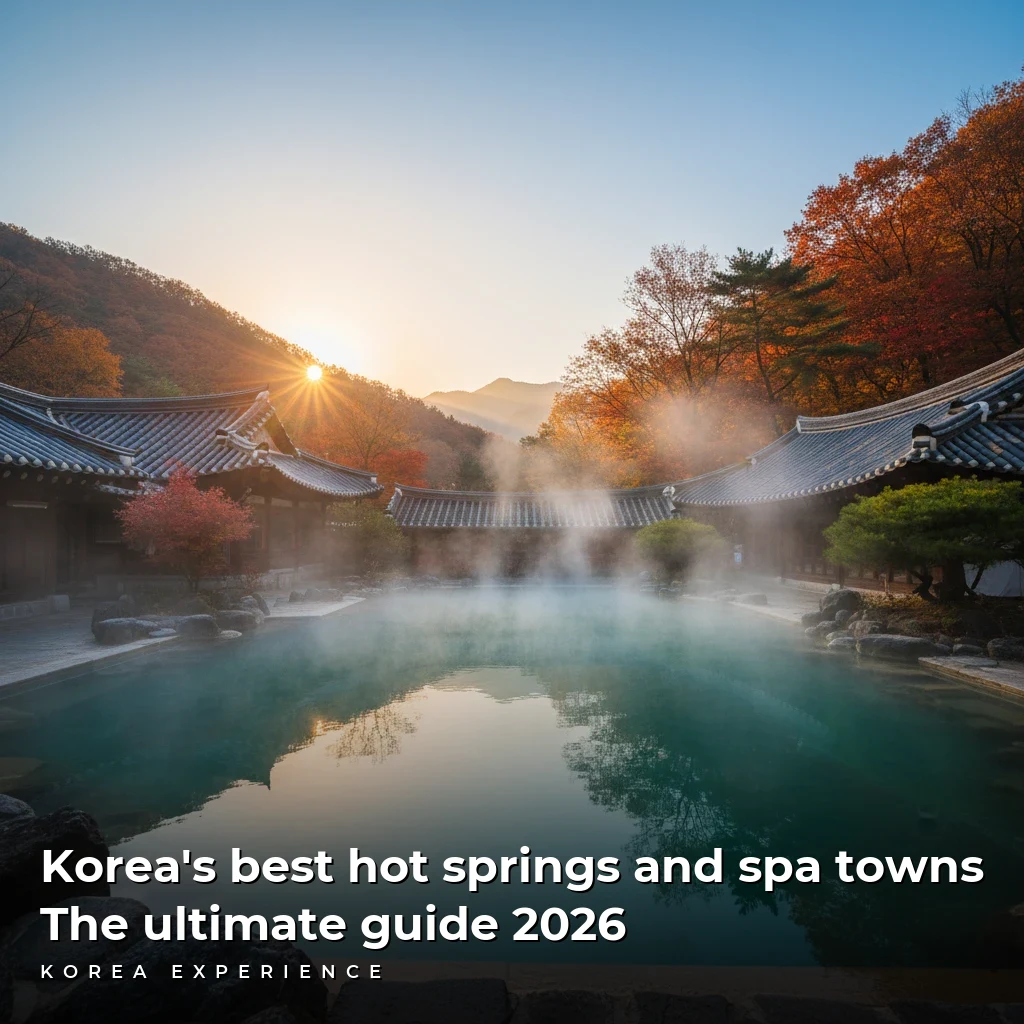
For international travelers seeking the ultimate relaxation experience, Korea's hot spring culture offers a unique blend of therapeutic healing, historical significance, and modern luxury. While Japan is often the first country associated with onsen, Korea possesses a deep-rooted bathing culture (oncheon) dating back over a millennium, featuring water rich in germanium, sulfur, and alkaline minerals essential for skin health and stress relief.
The short answer: The best hot springs in Korea are Onyang (the oldest, used by kings), Yuseong (rich in radium), and Suanbo (natural 53°C water), while Busan’s Hurshimchung and Centum City Spaland offer the most impressive modern facilities for 2026.
Key Takeaways
- 1Onyang Hot Spring is the oldest in Korea, dating back 1,300 years with 57°C water.
- 2Busan offers the 'Dualism' of spas: traditional massive baths at Hurshimchung vs. modern luxury at Spaland.
- 3Most traditional hot springs require full nudity in gender-segregated areas; swimsuits are only for water park zones.
- 4Entry fees range widely from ₩10,000 for local baths to ₩60,000+ for premium water parks.
Understanding Korean Bath Culture: Jjimjilbang vs. Oncheon
Before diving into the specific locations, it is crucial to understand the distinction between a Jjimjilbang and an Oncheon, a common point of confusion for first-time visitors.
A Jjimjilbang is a Korean dry sauna facility. While they have baths, the water is often heated tap water (unless located in a spring district). They focus on kiln saunas, relaxation areas, and sleeping rooms.
An Oncheon refers specifically to natural hot springs where the water comes from underground sources at temperatures above 25°C and contains specific mineral components regulated by Korean law. In 2026, there are over 450 designated hot spring protection zones across the peninsula.
The Naked Truth
In the gender-segregated bath areas of both Jjimjilbangs and Oncheons, you must be completely naked. Swimsuits are strictly forbidden in the tub areas to maintain water cleanliness. However, many larger resorts (like Asan Spavis or Cimer) have co-ed outdoor zones where swimsuits and swim caps are mandatory.
Onyang Hot Springs: The Royal Retreat
Located in Asan, Chungcheongnam-do, Onyang Hot Spring is arguably the most historically significant thermal water site in Korea. Its history spans over 1,300 years, making it the oldest recording hot spring in the nation. It was a favorite retreat for Joseon Dynasty kings, including King Sejong the Great, who visited here to treat eye ailments and skin conditions.
The water at Onyang maintains a naturally high temperature of roughly 57°C (134°F). It is an alkaline hot spring, which is exceptionally gentle on the skin, making it popular for those with sensitive dermatological needs.
Getting There and Costs
Onyang is incredibly accessible from Seoul. You can take the Seoul Subway Line 1 directly to Onyang Oncheon Station, a journey that takes approximately 90 minutes from central Seoul and costs under ₩3,000. Alternatively, the KTX to Cheonan-Asan Station followed by a short taxi ride gets you there in under 45 minutes.
Onyang Hot Spring Hotel(온양관광호텔)
For families, the nearby Asan Spavis offers a more recreational approach. It combines the natural hot spring water with a water park environment, featuring slides and wave pools. Admission typically costs around ₩40,000 for adults during peak season, though discounts are often available for foreigners booking online.
Yuseong Hot Springs: The Healing Waters of Daejeon
If your itinerary takes you south, Yuseong in Daejeon is a must-visit. Legend says a wounded crane dipped its wing into the water here and was instantly healed. Scientifically, Yuseong's water is unique because it contains radium, which, in safe trace amounts, is believed to help with neuralgia and arthritis.
The water flows from 200 meters underground at temperatures ranging between 42°C and 55°C. The district is home to over 100 accommodation facilities, but the standout feature is the Yuseong Foot Bath Experience Park.
📋 Yuseong Foot Bath Stats
This open-air foot bath is completely free and accessible to the public 365 days a year. It is a fantastic spot to mingle with locals. We recommend visiting in the evening when the LED lights create a relaxing atmosphere under the zelkova trees. For a deeper soak, the Yuseong Hotel (operating since 1915) provides a classic full-body immersion experience for approximately ₩10,000.
Suanbo Hot Springs: The King's Water
Located in Chungju, North Chungcheong Province, Suanbo holds a special distinction: it is the only hot spring in Korea where the water quality is centrally managed by the city government, ensuring absolute purity. The water is drawn from 250 meters underground at a sizzling 53°C.
Suanbo is rich in lithium, calcium, and sodium, and the water is colorless and odorless. Unlike other spa towns that have become heavily commercialized, Suanbo retains a quieter, mountain-town vibe. It is particularly popular in autumn and winter.
If you are planning a trip during the colder months, Suanbo is an excellent stop after a day of activity. For those interested in combining physical activity with relaxation, check out our guide to autumn colors and hiking spots which features nearby Woraksan National Park.
Suanbo is famous for its pheasant cuisine (Kkwong-yori). After your bath, try the pheasant dumplings or shabu-shabu at a local restaurant. It's a rare delicacy even for Koreans!
Busan: The Tale of Two Spas
Busan offers a fascinating study in contrasts, presenting arguably the best "Dualism" spa experience in the country. You have the choice between the historic, massive scale of Hurshimchung and the ultra-modern luxury of Centum City Spaland.
Hurshimchung: The Legend
Located in the Dongnae district, famous for its alkaline waters since the Silla Dynasty, Hurshimchung is one of the largest hot spring complexes in Asia. The main skylight dome is iconic. The facility can accommodate 3,000 bathers simultaneously. The "Cave Bath" and "Longevity Bath" use 100% magnesium-rich spring water.
Spaland Centum City: The Modern Marvel
Located inside the Shinsegae Department Store (the world's largest), Spaland is the epitome of modern K-wellness. It draws two different types of hot spring water from underground: sodium bicarbonate and sodium chloride. It features 18 different themed saunas and an open-air foot spa.
Busan Spa Showdown
| Feature | Hurshimchung | Spaland Centum City |
|---|---|---|
| Vibe | Traditional, Grand, Family | Modern, Chic, Quiet |
| Water Source | Natural Magnesium Spring | Sodium Bicarbonate/Chloride |
| Entry Price | ₩12,000 - ₩15,000 | ₩20,000 - ₩25,000 |
| Time Limit | Unlimited | 4 Hours (usually) |
| Age Restriction | None | No elementary students |
For foodies visiting Busan, the area around Hurshimchung is famous for distinct local dishes. Before you go, read our Busan seafood guide to plan your post-spa meal.
Seorak Waterpia: Adventure Meets Relaxation
Located in Sokcho near the breathtaking Seoraksan National Park, Seorak Waterpia is unique because it uses 100% natural hot spring water for all its attractions—including the wave pools and water slides. The water here is cooled from 49°C and is rich in sodium, which helps soften the skin.
This is the premier destination for families. While the parents soak in the outdoor "Spa Valley" with views of the snow-capped Seorak mountains, children can enjoy the slides. The resort underwent a major renovation in 2023, adding more private spa zones.
The distance from Seoul is about 2.5 hours by car or bus. We highly recommend visiting in winter. The sensation of hot water meeting freezing mountain air is unforgettable.
Paradise City Cimer: The Instagram Icon
While not a traditional "town," Cimer at Paradise City in Incheon deserves mention for redefining the Korean spa experience. Located just 10 minutes from Incheon International Airport, it is a fusion of European spa culture and Korean Jjimjilbang.
Cimer is divided into the Aqua Spa Zone (infinity pools, LED slides, virtual spa) and the Jjimjil Spa Zone. It is less about mineral healing and more about visual luxury and relaxation. It is an adult-focused facility (children under 10 are generally not allowed).
The Layover Spa Route
The Dualism Concept: Experience the best of both worlds — premium luxury moments paired with authentic budget-friendly experiences in one route.
Luxury: Cimer
Infinity pools and high-end sauna.
Budget: Local Sauna
Standard sauna near Unseo Station.
If you have a layover over 6 hours, Cimer is worth the premium price for the rest alone.
Since this is near the airport, travelers often debate between transportation options. Check our guide on Airport Limousine Bus vs AREX to get there efficiently.
Jeju Sanbangsan Carbonate Hot Springs
Jeju Island offers a rare geological treat: carbonated hot springs. Located on the southwest coast, the Sanbangsan Mountain Carbonate Hot Springs feature water that bubbles with free carbon dioxide.
When you first enter, the water feels cool, but as the carbon bubbles stimulate your capillaries, your body temperature rises, and you feel a distinct warmth. This "soda water" is famously beneficial for hypertension and heart conditions.
The outdoor pools offer a majestic view of Mt. Sanbangsan. The entrance fee is reasonable, generally around ₩13,000, with an extra charge for the open-air bath.
📊 Sanbangsan Water Profile
A Step-by-Step Guide to Korean Spa Etiquette
For many Western travelers, the nudity aspect of Korean spas can be daunting. Here is exactly how to navigate the process so you look like a pro.
📖 How to Bathe Like a Local
Step 1: Shoes Off
Remove shoes at the entrance. Exchange them for a locker key. This key usually works for your shoe locker, clothing locker, and paying for snacks.
Step 2: The Great Undressing
Go to your gender-segregated locker room. Remove ALL clothing. No swimsuits allowed in the indoor bath area.
Step 3: The Scrub
Sit at the washing stations. You MUST shower and scrub thoroughly with soap before entering any tub. This is the golden rule.
Step 4: The Soak
Enter the tubs slowly. Tie up long hair so it doesn't touch the water. Do not splash.
The "Seshin" (Body Scrub) Experience
While at these spas, you will see locals lying on plastic tables getting scrubbed by staff wearing black underwear. This is Seshin. For a price between ₩25,000 and ₩40,000, they will exfoliate every inch of your body using a rough viscose mitt. It is intense, slightly embarrassing for first-timers, but leaves your skin incredibly soft.
After a deep scrub, hydration is key. Read our complete guide to the Korean skincare routine to see how to maintain that glow after you leave the spa.
Pricing and Budgeting for Your Spa Trip
Hot spring prices in Korea are generally very affordable compared to Europe or Japan. Here is a breakdown of what to expect in 2026.
💵 Spa Cost Comparison (2026)
Cimer, Seorak Waterpia (Peak)
Hurshimchung, Yuseong Hotel
Pro Tip: Most designated hot spring areas have "motels" or smaller hotels that pipe the same spring water into the guest room bathtubs. If you are too shy for the public bath, booking a room in the Onyang or Suanbo area (approx. ₩60,000/night) allows you to soak in private.
Best Time to Visit
While spas are open year-round, the experience differs by season.
- Winter (Dec-Feb): The peak season. Nothing beats the contrast of cold air and hot water.
- Spring/Autumn: Ideal for combining hiking with bathing.
- Summer: Water parks like Seorak Waterpia are crowded, but traditional indoor hot springs are surprisingly quiet.
For a detailed breakdown of weather conditions to plan your trip, consult our guide on the best time to visit Korea.
FAQs About Korean Hot Springs
❓ Frequently Asked Questions
Have more questions?Contact us →
Conclusion
Whether you choose the royal waters of Onyang, the seaside modernity of Busan, or the carbonate bubbles of Jeju, Korea's hot spring towns offer a deep dive into the country's culture of rest. It is more than just washing; it is a ritual of renewal. In a country known for its "Palli-Palli" (hurry-hurry) culture, these hot springs are the necessary pause button.
Pack your towel (though they give you one), leave your modesty at the door, and immerse yourself in the healing waters of Korea.
About the Author
Korea Experience Team
Written by the Korea Experience editorial team - experts in Korean medical tourism, travel, and culture with years of research and firsthand experience.
Explore more in Travel & Tourism
From Seoul's neon-lit streets to Jeju's volcanic landscapes — discover the best of Korea with insider travel tips, itineraries, and seasonal guides.
Browse All Travel & Tourism ArticlesContinue Reading
Explore more articles you might find interesting
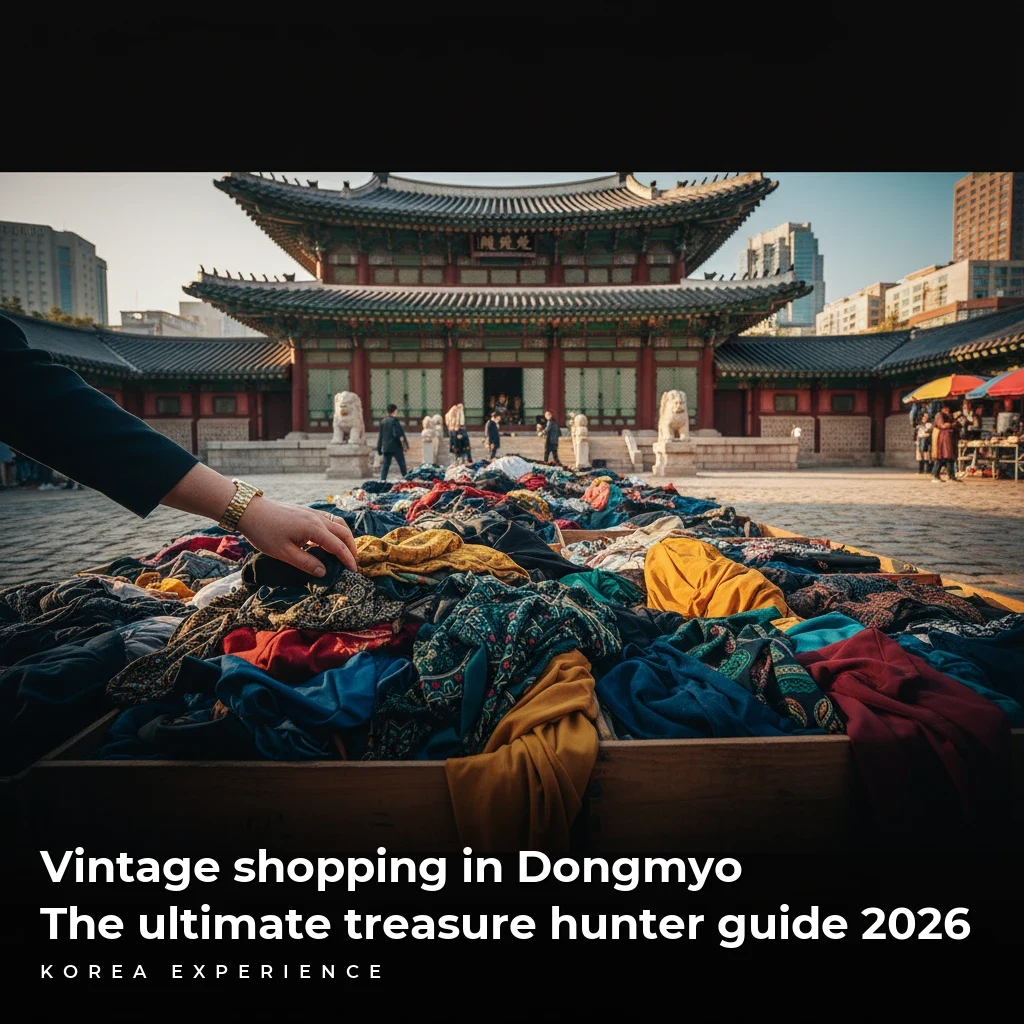
Explore Seoul's largest vintage market with our 2026 guide. Find luxury brands for ₩5,000, navigate 600+ stalls, and discover hidden boutiques.
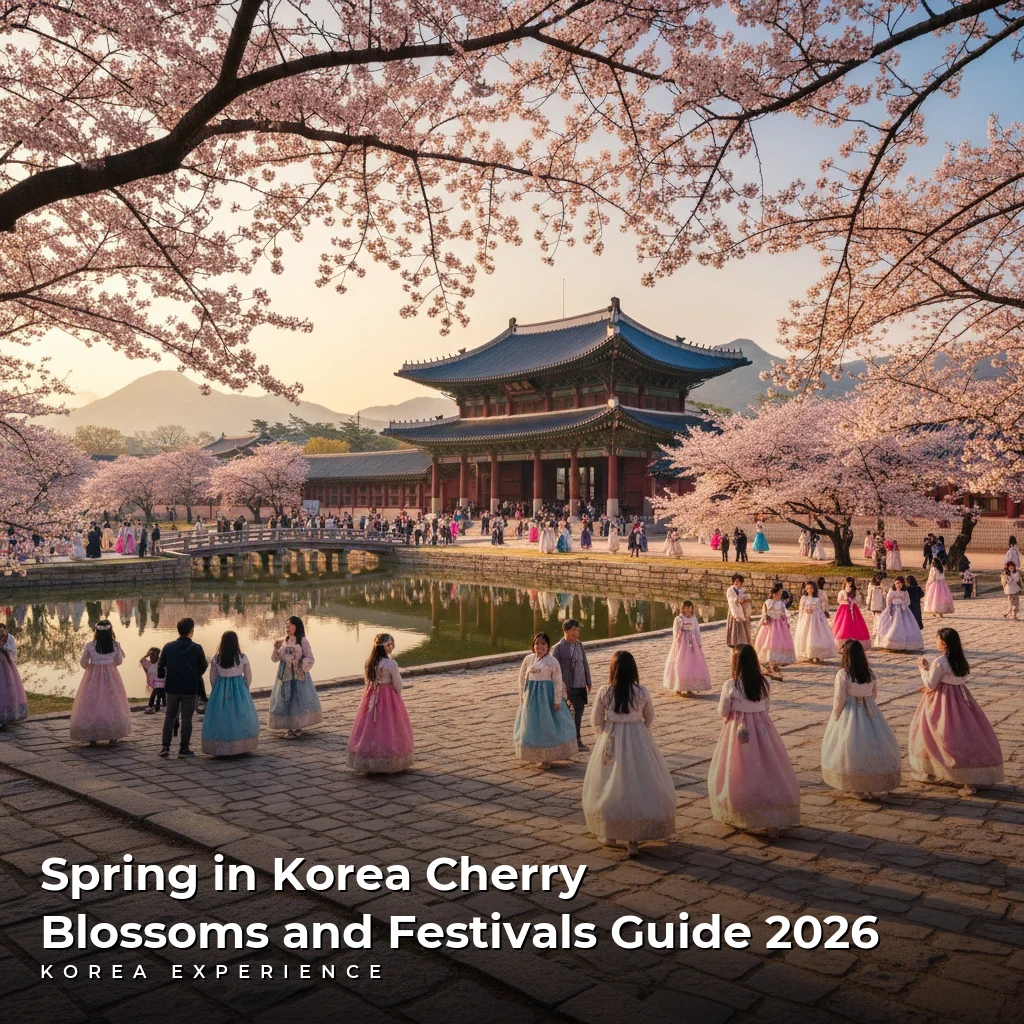
The ultimate 2026 guide to spring in Korea. Discover bloom dates, Jinhae and Seoul festivals, budget tips, and photo spots. Expect to spend ₩50,000 daily.
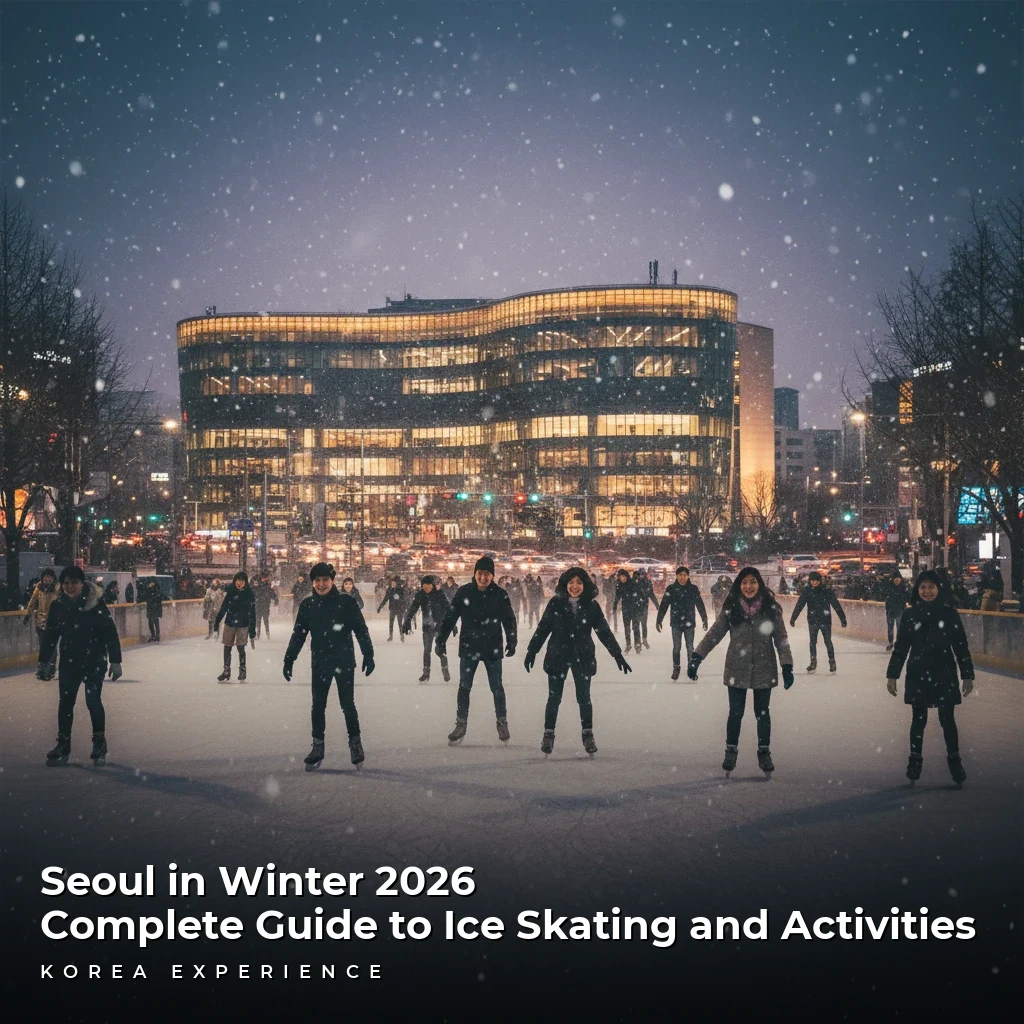
Discover Seoul's best winter spots for 2026. From ₩1,000 skating at City Hall to luxury spas, find temperatures, costs, and festivals in this complete guide.
Discover the top rooftop bars in Seoul for 2026. From Gangnam luxury to Hongdae vibes, find prices, dress codes, and the best sunset spots starting at ₩15,000.
Discover the freshest seafood in Busan. From a $52 Haenyeo diver platter to a 10,000 KRW raw fish soup, explore the ultimate 2026 coastal dining guide.

Discover why 98 percent of Korea hair transplants succeed. Compare 2026 costs from $3500 surgeries to $90 viral 15-step scalp spas for ultimate hair growth.