Korea's Best Flower Festivals: Tulips, Roses, and Cosmos Guide 2026
Discover the best spots for tulips, roses, and cosmos in Korea. Complete 2026 guide with dates, entry fees, and transport tips for spring and autumn blooms.
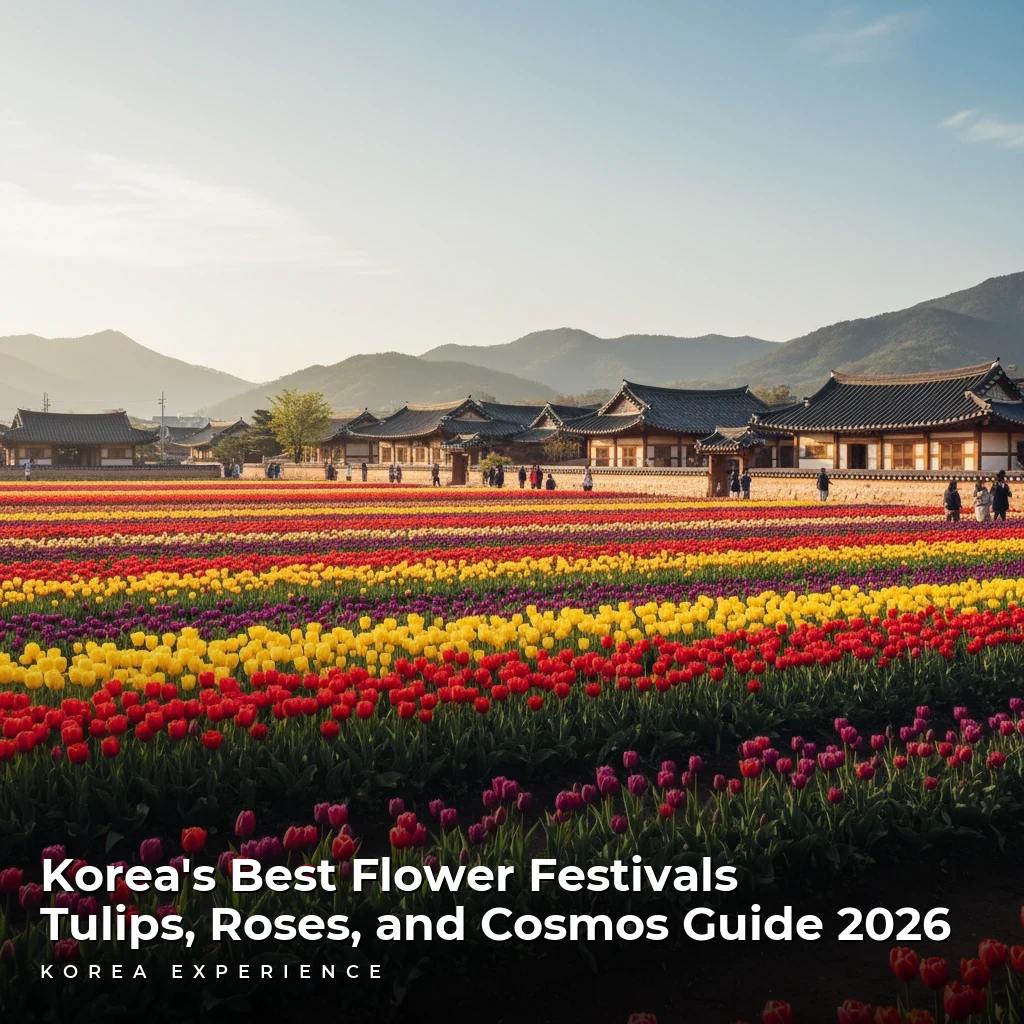
Korea’s major flower festivals typically occur in three distinct waves: Tulips dominate April (01/04–30/04), Roses peak in late May to mid-June (20/05–15/06), and Cosmos define the autumn landscape from late September to mid-October (20/09–15/10). The most famous locations are the Taean Tulip Festival for spring bulbs, the Jungnang Rose Park in Seoul for summer blooms, and Olympic Park for autumn wildflowers.
The short answer: For the best floral experience in 2026, visit Taean for tulips in mid-April, Jungnang Rose Park in late May for roses, and Olympic Park in early October for the orange sulfur cosmos fields.
Key Takeaways
- 1Taean Tulip Festival is one of the world's top 5 tulip festivals, located 150km from Seoul.
- 2Most rose festivals in Seoul are free, including the massive Jungnang Rose Tunnel.
- 3Autumn cosmos viewing requires zero entry fees at major Han River parks.
- 4Weekdays before 10:00 AM are critical for avoiding crowds at popular photo zones.
The Korean "Flower Chase" Culture
In Korea, the changing of seasons is a national event. It isn't just about the weather warming up or cooling down; it is about specific blooms that trigger massive domestic tourism movements. The concept of kkot-nori (flower viewing) is deeply ingrained in the culture. In 2026, the trend has shifted towards "immersive nature," where travelers seek not just to see flowers, but to be surrounded by them for the perfect "Life Shot" (a photo of a lifetime).
Understanding the precise timing is crucial because Korean blooms are fleeting. A heatwave in May can shorten the tulip lifespan by 5 days, while a rainy season (monsoon) in July can destroy late-blooming roses. This guide breaks down the "Big Three" non-cherry blossom flower seasons—Tulips, Roses, and Cosmos—providing you with the logistical data needed to plan a perfect trip.
For a broader understanding of Korea's seasonal shifts, you might want to consult our guide on the best time to visit Korea month by month.
Part 1: The Tulip Mania (April – Early May)
When the cherry blossoms fall, the tulips rise. Unlike cherry blossoms which are often white or pale pink, tulips in Korea bring an explosion of saturation—vibrant reds, purples, and yellows that signal the true arrival of spring.
1. Taean World Tulip Festival (The Heavyweight Champion)
Located on the west coast, approximately 150 kilometers from Seoul, the Taean World Tulip Festival is widely cited as one of the top five tulip festivals globally. It is not just a garden; it is a massive agricultural display covering over 110,000 square meters.
📋 Taean Tulip Festival Facts
The scale here is staggering. In 2026, organizers have planted over 1.5 million bulbs. The layout is designed specifically for aerial photography and ground-level immersion, with "carpet" patterns that look like paintings from above.
Getting There: Travel to Taean requires patience. You must take an intercity bus from Seoul’s Central City Terminal (Honam Line) or Nambu Terminal to Taean Bus Terminal (approx. ₩10,000 - ₩15,000 one way). From the Taean terminal, you transfer to a local bus or taxi (approx. ₩30,000 taxi fare) to the festival grounds at Kkotji Beach.
Traffic Alert
The road to Taean is notoriously congested on weekends in April. A drive that usually takes 2.5 hours can easily turn into 5 hours. We strongly recommend departing Seoul by 7:00 AM or visiting on a Tuesday or Wednesday.
2. Everland Tulip Garden (The Accessible Fantasy)
If a 3-hour bus ride seems daunting, Everland Resort offers a spectacular alternative just 40-60 minutes from Gangnam. The Four Seasons Garden is transformed into a Dutch-themed wonderland.
Everland Resort(에버랜드)
While the entry fee is higher (variable pricing, typically around ₩60,000–₩70,000 for a day pass), you get access to the rides and the zoo. The tulip displays here are manicured to perfection and often feature rare, bi-colored varieties bred specifically for the park.
3. Seoul Forest (The Local Favorite)
For those staying within the city limits who want a free option, Seoul Forest is the answer. While the scale is smaller than Taean or Everland, the density of the tulip beds near the Mirror Lake provides excellent photography opportunities. It is easily accessible via the Bundang Line (Seoul Forest Station).
Pro Tip: Combine a trip to Seoul Forest with a visit to the trendy Seongsu-dong cafe district nearby. You can read more about planning a day here in our 24 hours in Seongsu-dong guide.
Part 2: The Romantic Rose Season (Late May – June)
As spring transitions into the humid Korean summer, roses take center stage. This season is often associated with couples and romantic dates. The roses in Korea are often planted on trellises, creating massive "rose tunnels" that are iconic for Instagram reels.
1. Jungnang Rose Park (The Seoul Rose Festival)
This is arguably the most impressive free flower festival in Seoul. Located along the Jungnang Stream, it features the longest rose tunnel in Korea, stretching 5.15 kilometers.
The festival usually takes place in late May. Millions of roses in every conceivable color line the riverbank. Because it is a public park, it is open 24 hours, making it perfect for night viewing when the LED lights illuminate the rose tunnels.
📊 Jungnang Rose Stats
Logistics:
- Subway: Taereung Station (Line 6/7), Exit 8. Walk about 3 minutes to the river entrance.
- Cost: Free.
- Best Time: 4:00 PM to 8:00 PM. Arrive for the daylight colors, stay for the sunset, and enjoy the night illumination.
2. Seoul Grand Park Rose Garden
Located in Gwacheon, just south of Seoul, this is a dedicated botanical garden within the massive Seoul Grand Park complex. The Rose Garden here is structured and formal, reminiscent of European palace gardens.
💵 Rose Festival Costs (2026 Estimates)
Full park access included
Entry to Theme Garden only
The Theme Garden (where the roses are) requires a separate admission ticket from the Zoo, costing only ₩2,000 for adults. It creates a much quieter atmosphere compared to the bustling Jungnang stream. The backdrop of the Surisan Mountain makes the red roses pop vividly in photos.
3. Gokseong International Rose Festival
If you are willing to travel, the Gokseong Seomjin River Train Village hosts a unique festival. Located in Jeollanam-do (about 300km south of Seoul), this festival combines 1,004 varieties of roses with an old steam locomotive attraction.
📖 How to Visit Gokseong from Seoul
Step 1: Book KTX
Book a KTX train from Yongsan Station to Gokseong Station.
Step 2: Arrival
Walk 10 minutes from the station to the Train Village entrance.
Step 3: Experience
Ride the steam train first, then explore the rose gardens.
This is an excellent option for those looking to explore the southern regions. The festival atmosphere is very traditional, often featuring trot music singers and local food markets.
Part 3: The Cosmos Wave (September – October)
Cosmos flowers are the heralds of Korean autumn. When the humidity breaks and the sky turns a deep, crisp blue (often called cheon-go-ma-bi, meaning "high sky and plump horses"), the cosmos bloom.
There are two main types you will see: the traditional pink/white/purple sensation cosmos, and the vibrant orange/yellow sulfur cosmos.
1. Olympic Park (Nari Park & Wildflower Garden)
Olympic Park in Songpa-gu is the premier spot for autumn flowers in Seoul. The famous "Yellow Cosmos" fields on the hill near the Rose Plaza are legendary.
The park is massive (1.4 million square meters). To find the cosmos, you usually need to head towards the Wildflower Maru (Deulkkot Maru).
The Yellow Cosmos at Olympic Park usually peak around late September. However, if you wait until mid-October, the pink Muhly Grass nearby will also be in bloom, allowing you to capture two different autumn vibes in one trip. The hill is steep, so wear comfortable shoes.
Visitor Info:
- Station: Olympic Park Station (Line 5 or Line 9), Exit 3.
- Cost: Free.
- Crowd Control: This is extremely popular. On weekends in October, the narrow paths through the flowers become gridlocked. Go on a Monday morning if possible.
2. Guri Hangang Park
Located just east of Seoul, Guri City hosts the cosmos festival right along the Han River. The sheer scale here rivals Taean. It is a vast, flat expanse of riverbank completely covered in swaying cosmos.
Because it is by the river, the wind adds a dynamic element to videos and photos. It is also a popular spot for cycling. You can rent bicycles at the park entrance for approximately ₩3,000–₩5,000 per hour.
Transport: Take the Gyeongui-Jungang Line to Guri Station, then take a village bus (Town Bus 2, 6, or 7) to the park entrance.
3. Yangju Nari Park
Located north of Seoul, Yangju Nari Park has gained immense popularity recently for its Pink Muhly and Globe Amaranth, but its Cosmos fields are equally stunning. It charges a small admission fee (approx. ₩2,000) which helps maintain the pristine condition of the flowers compared to the free public parks.
Practical Planning: Clothing and Equipment
To fully enjoy these festivals, you must dress appropriately. The weather in bloom seasons can be tricky.
Spring (Tulips)
In April, the temperature gap is huge. Mornings can be 5°C, while afternoons hit 18°C. Layering is essential. A trench coat is the standard "spring uniform" in Korea.
Early Summer (Roses)
Late May is warm but not yet suffocating. However, the UV index is very high.
- Essential: Sunscreen, sunglasses, and a portable fan (handy fan).
- Fashion: White dresses or light pastel linens contrast beautifully with the deep red roses.
Autumn (Cosmos)
October weather is perfect—cool breezes and warm sun.
- Fashion: Earth tones (beige, brown, cream) or soft knits work best with the rustic vibe of cosmos and reeds. Many visitors rent Hanbok for these photos. For details on rentals, check our Hanbok rental guide.
Photography Etiquette
Do not trample the flowers! Korean parks usually cut "photo lanes" into the flower beds so you can step inside and look like you are surrounded by blooms without crushing them. If you step on the actual plants, you may be fined or yelled at by the park ajumma (management staff).
Budgeting for Your Flower Trip
How much does a flower-chasing trip cost? It depends heavily on whether you choose paid festivals or public parks.
Cost Comparison: DIY vs. Tour
| Expense Item | DIY (Public Transport) | Guided Day Tour |
|---|---|---|
| Transport (Round Trip) | ₩25,000 (Bus/Subway) | Included in package |
| Entry Fees | ₩14,000 (Taean) | Included |
| Lunch | ₩15,000 | Usually excluded |
| Convenience | Low (Navigating alone) | High (Bus provided) |
| Total Est. | ₩54,000 | ₩70,000 - ₩90,000 |
For distant locations like Taean or Gokseong, a guided tour (available on platforms like Klook or Trazy) often saves time and stress, even if it costs ₩20,000 more. For Seoul locations (Jungnang, Olympic Park), a DIY approach is strictly better and cheaper.
Best Itineraries for Flower Lovers
Here are two distinct ways to experience Korea's floral seasons, depending on your travel style.
Tulip Season: Nature vs. Theme Park
The Dualism Concept: Experience the best of both worlds — premium luxury moments paired with authentic budget-friendly experiences in one route.
Taean Coast
Private car hire + Fresh seafood lunch + Beach sunset
Everland via Bus
Public shuttle + Packed lunch + Parade viewing
If photography is your priority, choose Taean. If fun and accessibility matter more, choose Everland.
Extending Your Trip
If you are planning a trip specifically for these festivals, consider exploring nearby attractions.
- Near Taean: The Anmyeondo Recreational Forest offers distinct pine tree landscapes.
- Near Gokseong: The city of Jeonju (famous for its Hanok Village) is only about an hour away by bus.
- Near Olympic Park: The Lotte World Tower and Seokchon Lake are within walking distance.
For more day trip ideas, consult our list of best day trips from Seoul.
Frequently Asked Questions
❓ Flower Festival FAQs
Have more questions?Contact us →
Conclusion
Korea's flower festivals are a testament to the country's love for dramatic seasonal changes. Whether you are walking through the endless red rows of Taean tulips, standing under the romantic rose arches of Jungnang, or getting lost in the swaying cosmos of Olympic Park, you are participating in a cherished local tradition.
The key to a successful trip in 2026 is timing. Mark your calendars: mid-April for tulips, late May for roses, and early October for cosmos. Bring your camera, wear comfortable shoes, and prepare for some of the most vibrant landscapes Asia has to offer.
If you are looking to fill the rest of your itinerary while in the capital, don't miss our comprehensive 24-hour Seoul itinerary to maximize your stay.
About the Author
Korea Experience Team
Written by the Korea Experience editorial team - experts in Korean medical tourism, travel, and culture with years of research and firsthand experience.
Explore more in Travel & Tourism
From Seoul's neon-lit streets to Jeju's volcanic landscapes — discover the best of Korea with insider travel tips, itineraries, and seasonal guides.
Browse All Travel & Tourism ArticlesContinue Reading
Explore more articles you might find interesting
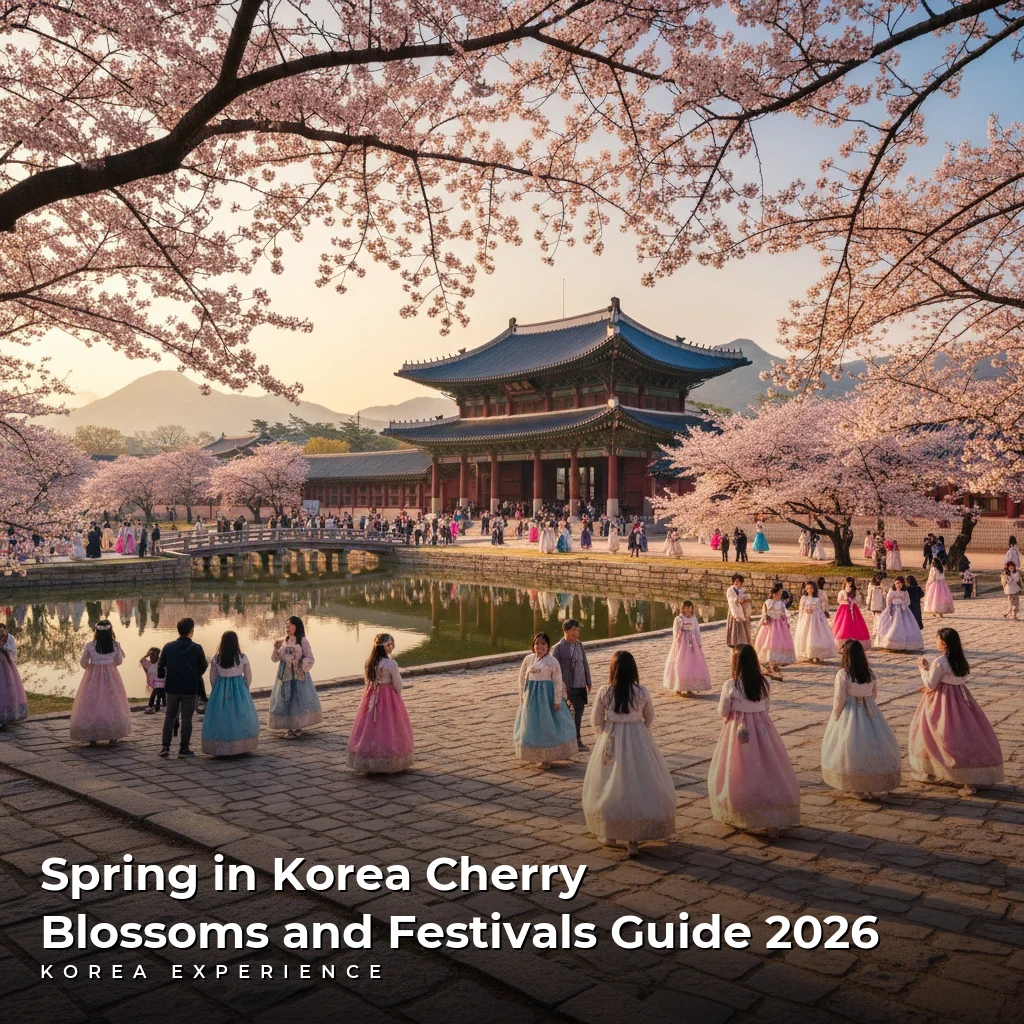
The ultimate 2026 guide to spring in Korea. Discover bloom dates, Jinhae and Seoul festivals, budget tips, and photo spots. Expect to spend ₩50,000 daily.
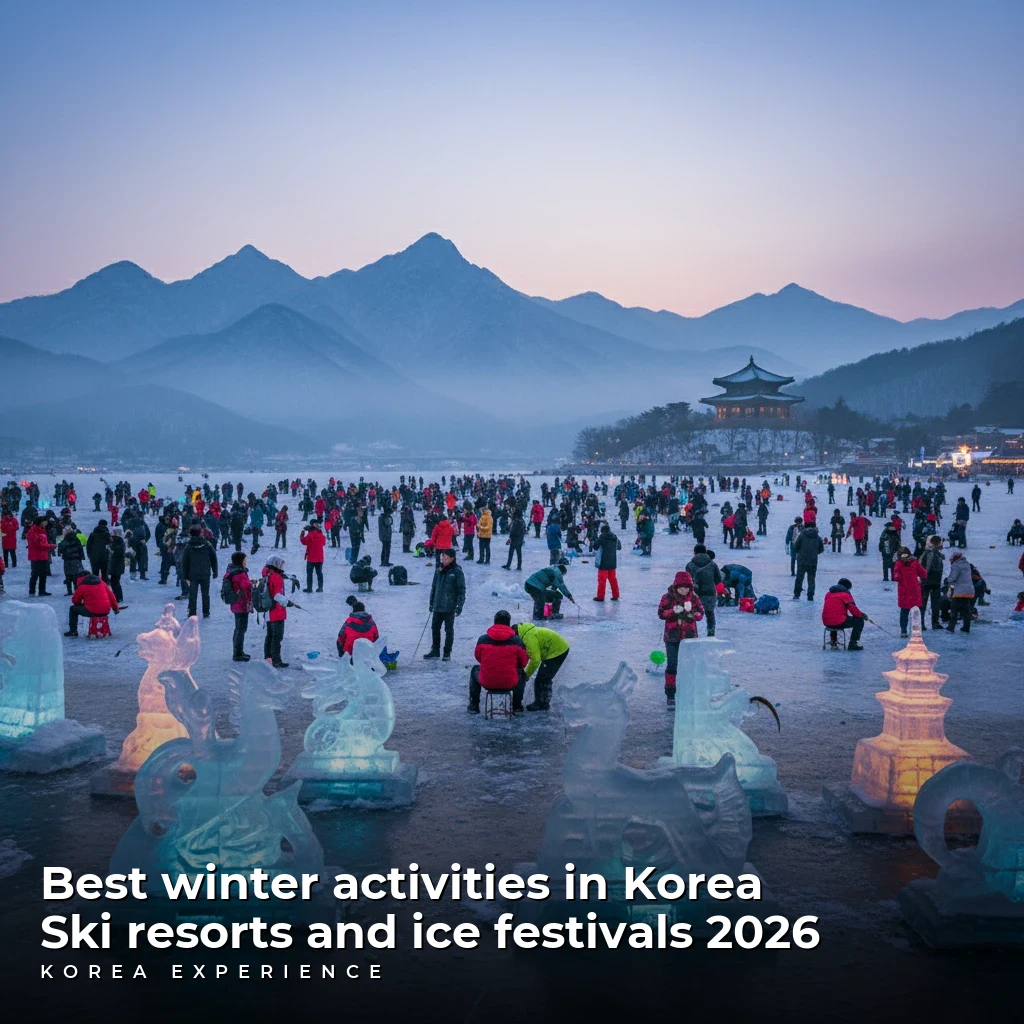
Discover top Korean ski resorts and ice festivals for 2026. From High1 to Hwacheon, find prices, transport tips, and gear rentals in our complete guide.
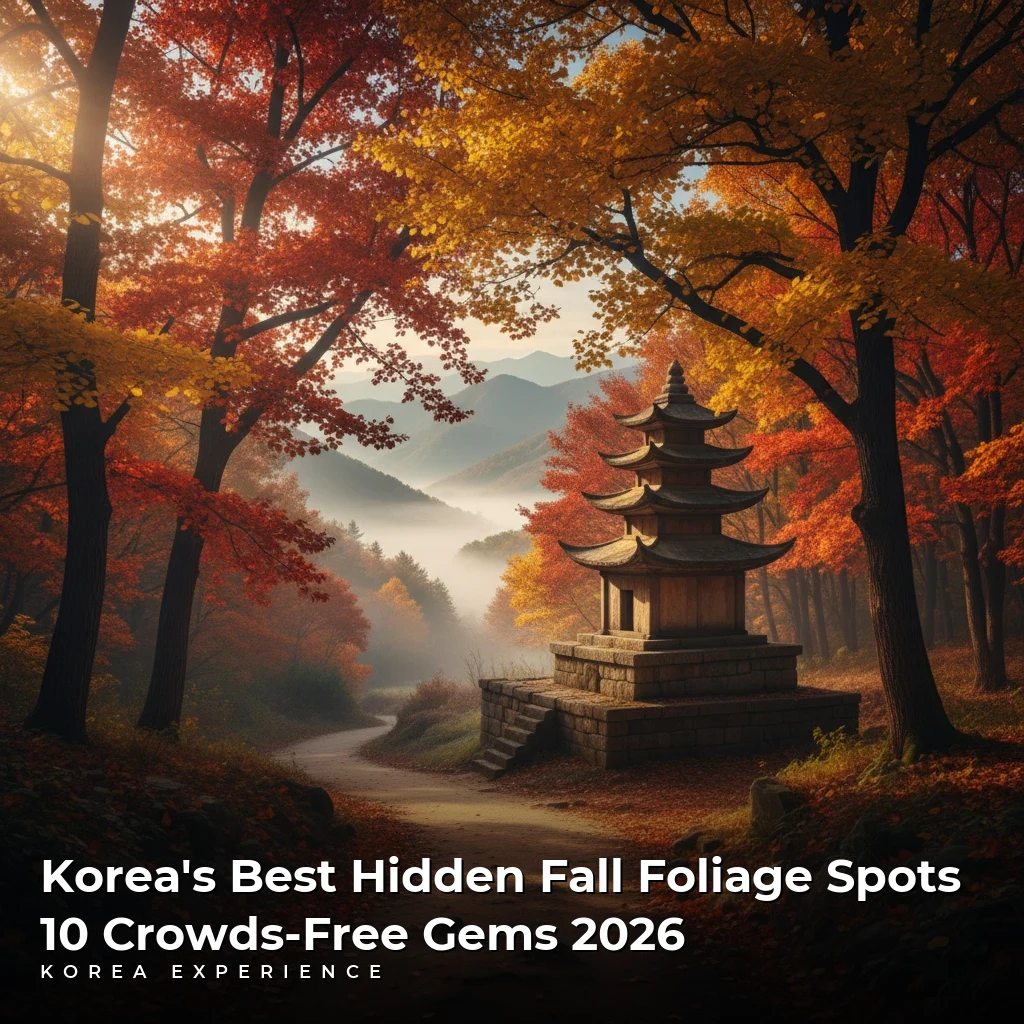
Discover 10 secret autumn spots in Korea away from crowds. Includes 2026 peak foliage dates, transport costs, and specific hiking routes for the perfect trip.
Discover the top hiking trails and photography spots for Korea's 2026 autumn season, with peak foliage dates, transport costs, and specific location guides.

Discover Korea's top winter sports spots for 2026. From Yongpyong slopes to Cheongsong ice walls, get prices, transport tips, and rental guides.

Discover Korea's surfing capital with our 2026 guide to Yangyang and Sokcho. Find rental costs (₩30,000+), transport tips, and best seasons for waves.